Keratin Hair Treatment: Everything You Need to Know

Keratin Hair Treatment: Everything You Need to Know


Keratin Hair Treatment Everything You Need to Know


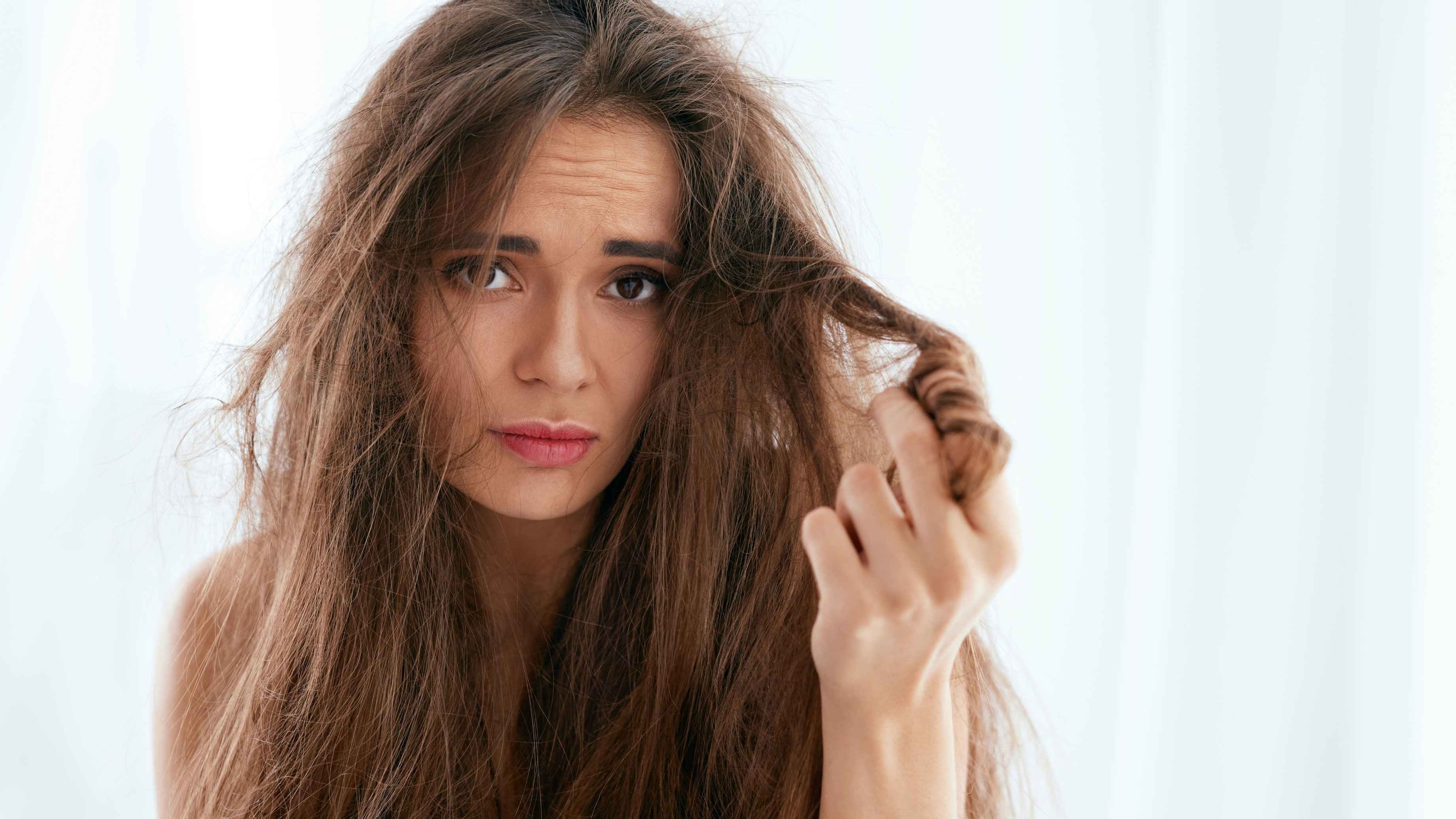
Dealing with frizzy, tangled, or difficult-to-style hair can make your daily beauty routine feel like a chore. This is where a keratin hair treatment can make a noticeable difference. Designed to smooth the hair and reduce frizz, the treatment can leave your locks looking shinier, softer, and much easier to manage. If you’re tired of spending hours trying to tame unruly hair, a keratin treatment may be worth considering. Keep reading to discover how this popular salon treatment works, what benefits it offers, and what you should know before booking your appointment.


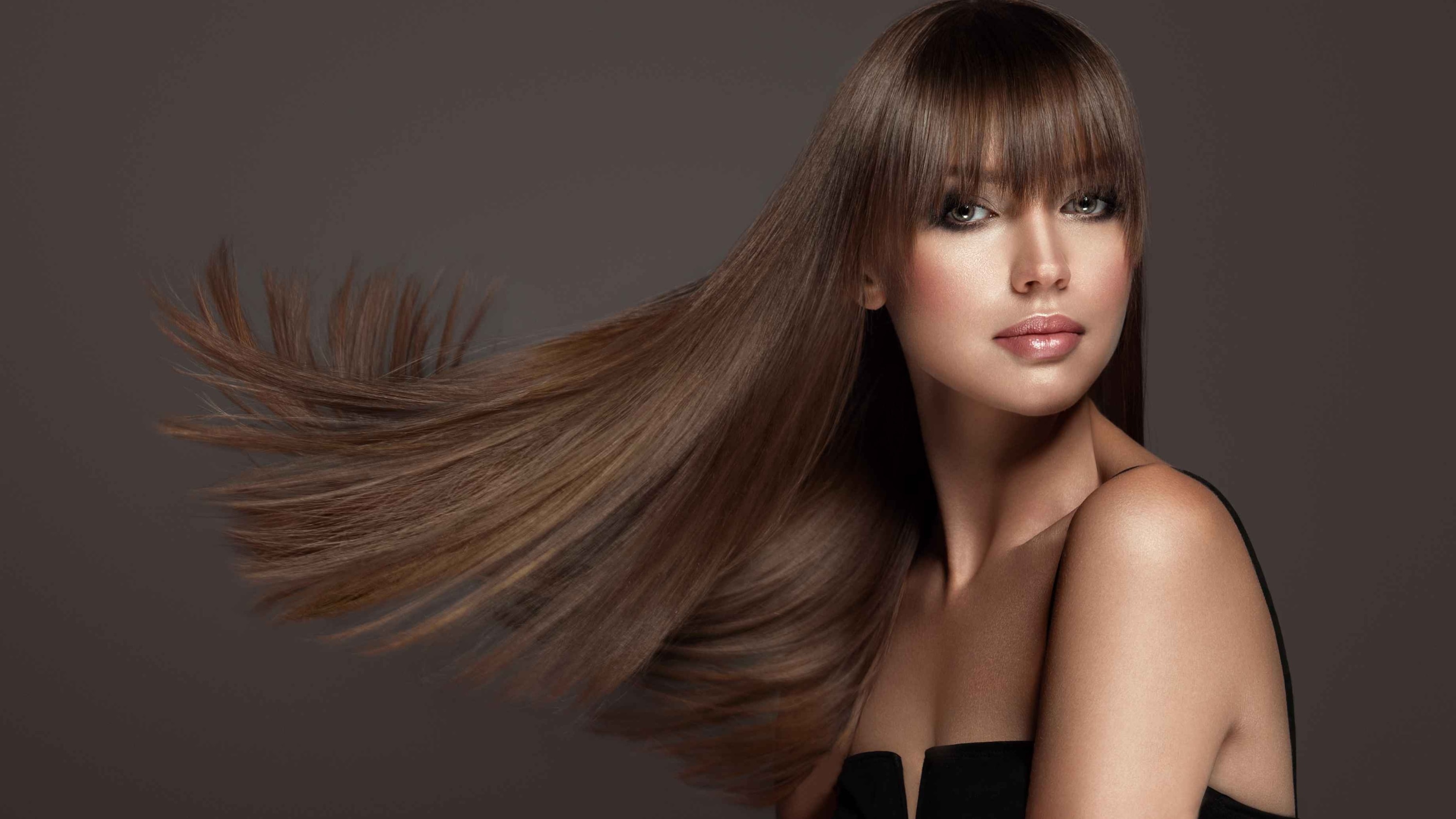
Keratin hair treatment is a semi-permanent hair straightening treatment. This chemical process smoothens and adds shine to your hair by filling in the gaps where the keratin (a fibrous protein found in hair) has been depleted. This popular treatment is also known as Brazilian blowout and is guaranteed to give you free-flowing, lustrous tresses. It is targeted more toward frizz control and smoothening the hair than straightening it. Generally, hair straightening treatments break the protein bonds in the hair, but keratin hair treatment does not break the bonds. Instead, it coats the hair like a conditioner and helps restore hair health, reduce frizz, improve manageability, reduce styling time, and seals the hair cuticle without changing the hair structure permanently. Furthermore, this hair treatment repairs hair breakage and damage and rebuilds its strength, which makes your hair smoother and shinier.

Thus, with a good keratin treatment hair gets smoother and silkier in no time. But is it safe? Find out in the next section.


Is Keratin Hair Treatment Safe?

You shouldn’t anticipate any long-lasting hair damage due to keratin hair treatments. But, it can be damaging if your hair is over-treated with a blow dryer or flat iron during the treatment. Also, it is important to ensure that you get it done by an experienced hairstylist to avoid any damage. Remember that not all hair textures are the same, and they react differently to such treatments. Sometimes, they lighten color-treated hair and make it a little brassy.

It sure looks like a hair keratin treatment can solve all your hair problems. But, before you get your hair treated, you need to follow a few guidelines for safe and effective results.


How To Prepare For Keratin Hair Treatment

Keratin hair treatment should be done by a professional, and you should always discuss any required preparation with them. You need to make sure you are not sensitive to formaldehydei  A toxic, odoriferous gas frequently released during hair straightening or smoothening service that causes long-term health issues. , as it can cause a runny nose, stinging, itchy, and burning eyes, and nose and throat irritation.

  • Do some research and go for a keratin treatment that is suitable for your hair type, texture, and length.
  • Deep condition your hair a week before the treatment. This will moisturize your locks and prevent damage caused during the treatment.
  • Avoid using heavy shampoos or oils two days before the keratin treatment for hair.
  • Use a clarifying shampoo before your treatment to clear away any buildup. This will help your hair absorb the keratin more effectively.
  • Go for a pre-consultation appointment with your hairstylist to find out any more precautions that you need to take.

Now that you know all the pre-treatment guidelines, let’s get into the nitty-gritty of keratin hair treatment.


How Is Keratin Hair Treatment Done?

A keratin hair treatment can take anywhere between 1 to 2 hours, depending on your hair type, length, porosity, and thickness. Before starting the treatment, the stylist shampoos your hair with a clarifying hair cleanser to remove any dirt, build-up, and residue. Once your hair is clean and fresh, it is divided into sections. Then, the stylist applies the keratin solution to your hair and lets it sit for an hour.

Finally, the stylist seals your cuticles and locks the keratin into your hair with a flat iron. They keep an eye on the flat iron’s heat, as too much heat can harm your hair and make the treatment less effective. Generally, a temperature around 450°F is used to lock in the keratin properly without causing damage. This is an artificial way of putting keratin back into your hair. This filling process retains the hair’s resilience, resulting in shiny, silky, rejuvenated, and healthy hair.

But that’s not all! Keratin hair treatment offers many more benefits to give you the hair of your dreams. Check out the next section to find out what they are.


Benefits Of Keratin Hair Treatment
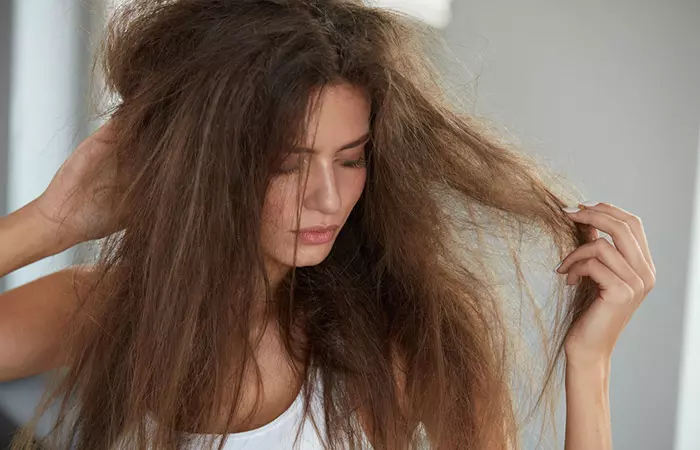
Keratin hair treatment benefits dry and damaged hair
Shutterstock

Keratin hair treatment works great for those with curly hair. Since keratin treatment fills in the porous gaps in your hair strands, it completely smoothes out your hair and keeps it frizz-free.

  • Shortens your blow-drying time by 50%
  • Fixes damaged hair.
  • Maintains a volumized look.
  • Makes it easy to style your hair.
  • No side effects like skin irritation or hair fall.
  • Prevents frizz and tangles.
  • Makes your hair glossy and smooth.
  • Makes your hair smooth and manageable
  • Adds incredible shine to color-treated hair.
  • Strengthens your hair.
  • Locks in color molecules to boost vibrancy and prevent fading.

Wondering if you can get keratin hair treatment with your hair type? Find out in the next section!


What Hair Types Should Get Keratin Hair Treatment?

Keratin hair treatments are safe for all hair types and textures. However, if you are a blonde, make sure to consult a hairstylist beforehand, as this treatment can make your hair color turn brassy.

There are tons of different types of keratin treatments that you can choose from. Check them out below!


What Are The Different Types Of Keratin Hair Treatment?

1. Cezanne

This is a mild form of keratin treatment as it does not chemically alter the structure of your hair. It does not use as much formaldehyde as a keratin treatment and smoothens your locks without breaking the disulfide bondsi  Organic compounds that function to increase the structural stability of proteins or keratins in the hair. in your hair cuticles. It is ideal for wavy, curly, and frizzy hair that requires smoothening. This treatment is perfect for color-treated hair, especially blonde hair. It lasts for 5 to 6 months.

Process

The stylist divides your hair into sections before coating it with the solution. Your hair is then wrapped with a plastic cover and left for 40 minutes. Your hair is then rinsed, blow-dried, and flat-ironed to seal the cuticles. This solution can be left on for a day or two before rinsing.


2. Trissola Solo

Trissola Solo treatment softens your hair without altering its natural structure permanently. This formula is free of formaldehyde. It mainly focuses on imparting shine to dry and lackluster hair. It is easy to apply and great for thick and curly hair. Anyone who wants soft and shiny waves or sleek hair can opt for this treatment. It lasts for 3-4 months, depending on your hair type.

Process

The stylist coats your hair with the solution in sections and wraps it with a plastic cover. The solution is washed off after 45 minutes. Your hair is then blow-dried and flat-ironed.


3. Goldwell Kerasilk

This treatment is time-consuming, but its results are absolutely stunning. It eliminates frizz completely and soothes dry and damaged hair. This non-toxic hair treatment is ideal for all hair types, especially thick, coarse, and frizz-prone wavy hair. It gives you smooth and manageable hair for up to 5 months.

Process

After shampooing your locks, the smoothing solution is applied to them in small sections. After 15 minutes, your hair is blow-dried and flat-ironed. Your hair is then shampooed, blow-dried, and straightened one more time. The whole process takes about 3 hours to finish.

protip_icon Quick Tip

Avoid keratin treatments that contain formaldehyde. Instead, opt for treatments with formaldehyde resinsi  One of the oldest synthetic resins made with formaldehyde (a toxic gas), utilized in many settings and industries, including nail enamels. , as they are safer.

Not all hair types and individuals are suitable for keratin hair treatment. Let’s find out who should avoid this hair treatment in the next section.


Who Should Avoid Keratin Hair Treatment?
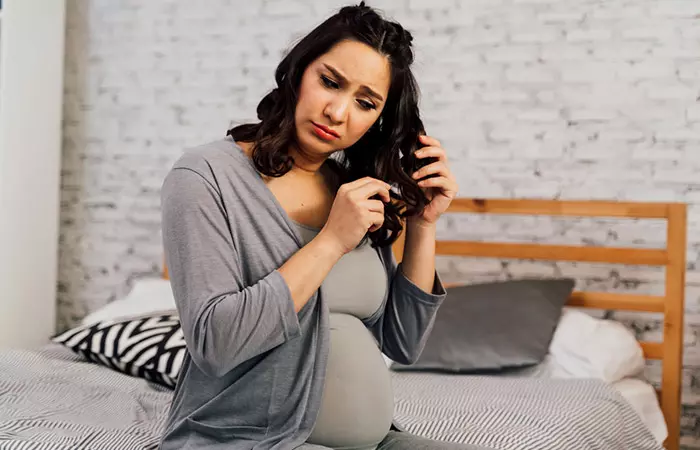
Pregnant woman should avoid keratin hair treatment
Shutterstock
  • Keratin treatments are not recommended for pregnant women as the chemicals used in them are quite potent.
  • This treatment is also not suitable for anyone with fine, thin hair or overly processed hair (such as bleached hair).

Now comes the most important question – how much does a keratin hair treatment cost? Read on to find out!


How Much Does Keratin Hair Treatment Cost?

The cost of keratin treatment depends on the salon and the products used for the treatment. The price range is usually between $200 to $800. You also get at-home keratin kits that cost around $60. A number of factors – like the length of your hair, the longevity of the treatment, and the brand – can affect the price.

You can also do this hair treatment at home. But, can you expect the same salon-quality results? Find out in the following section.


Can You Do Keratin Hair Treatment At Home?
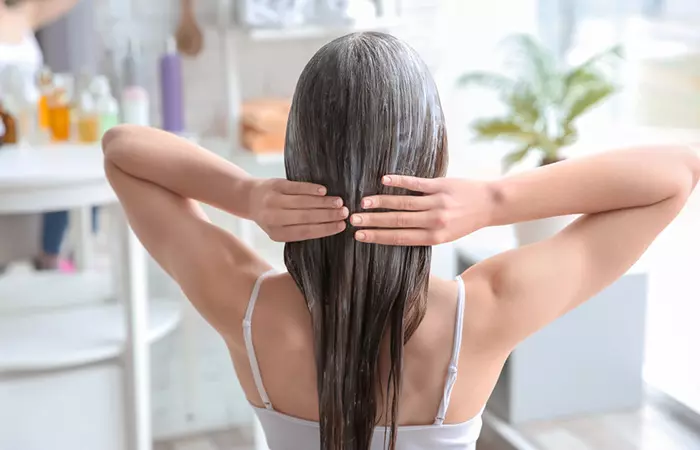
Woman applying keratin hair treatment at home
Shutterstock

Yes, but don’t expect salon-quality results. A keratin hair treatment done at a salon can last for several months, whereas at-home treatments tend to wash out after a few weeks. Also, you need to buy the right hair products for the treatment. Products that contain the word keratin are not necessarily suitable for keratin treatment. To get the best results at home, check the ingredient list and instructions of the product before purchasing it. Look up extensive instructions for how to wash, dry, and straighten your hair to get smooth and frizz-free straight hair at home.

According to a 2026 survey conducted by OnePoll with a sample size of 2,000 Americans, it was found that 47% of the respondents prefer practicing self-care through at-home spa rituals. 41% of the respondents chose to visit a spa for their treatments, while 34% enjoyed conducting hair treatments in the comfort of their own homes. Thus the findings of this survey reveal that it is not uncommon for individuals to perform keratin hair treatments and similar procedures at home.

Sarah, a YouTuber, shared her experience of doing a keratin treatment at home. Three days after the treatment, she showed the results and said, “Overall compared to what it looked like before it’s a clear difference I love it so much and like I said it’s so soft (i).”

As keratin treatment is semi-permanent, its results won’t last long. Check out the following section to find out more.


How Long Does Keratin Hair Treatment Last?

A keratin treatment should last you anywhere from 3-6 months, depending on how often you wash your hair. Make sure you only use a sulfate-free shampoo to make the results last longer. Saltwater and chlorine don’t mesh well with keratin treatments either, but if you really can’t avoid them, rinse your hair with cold water directly after you step out of the swimming pool.

So, the question remains – does keratin treatment cause any side effects? Find out in the next section.


Potential Risks Of Keratin Hair Treatment
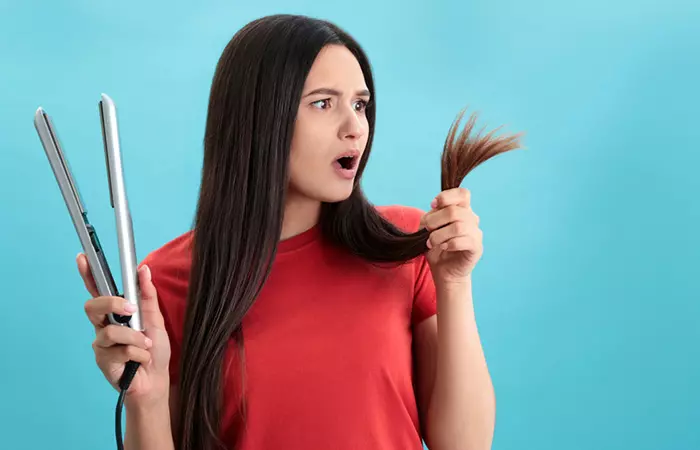
Excessive heat of keratin hair treatment damaged woman's hair cuticles
Shutterstock

protip_icon Trivia

If your scalp starts to tingle, burn, or feel irritated, let the hair expert know. These burns might leave your scalp scarred and hair damaged.

Are there any possible risks associated with keratin treatment? It is pretty debatable. Some say the results are risk-worthy, while others avoid redoing the process due to its high chemical content. However, there are a couple of side effects that you need to look out for:

  • The excessive amount of heat produced by the flat iron can damage your hair cuticles.
  • If you have colored hair, there are chances of discoloration taking place over time.
  • Some keratin treatments claim to be formaldehyde-free, which may not always be true. Therefore, seek an expert’s opinion to find out how much formaldehyde is safe for your hair type.

Keratin hair treatment is an easy way to get smooth and manageable hair quickly. However, you need to take some precautions after the treatment to get long-lasting results. Check them out in the next section.


Post-Treatment Care

Keratin treatments contribute to hair thinning and excess hair shedding if you don’t treat your hair properly. Earlier, you had to prevent your hair from getting wet for three days after a keratin treatment. But with the new range of products, you only need to wait 30 minutes. However, some brands require post-regimen care to allow the treatment to settle in. Here are some safety guidelines you need to follow post your keratin treatment to ensure the best results:

  • Do not wash your hair for at least three days after the treatment.
  • Invest in a good dry shampoo to avoid wetting your hair often.
  • Don’t tie your hair or tuck it behind your ears for 48 hours as it can create unsightly dents in your straight hair.
  • Avoid using heat styling tools as they can disturb the disulfide bonds in your newly treated hair.
  • Use a sulfate-free shampoo to increase the longevity of the treatment.
  • Use deep-conditioning treatments regularly to keep your hair hydrated, prevent dryness, and extend the life of your keratin treatment.

The Best Hair Care Routine for Every Hair Type: Expert Tips from Dermatologists

The Best Hair Care Routine for Every Hair Type: Expert Tips from Dermatologists


The Best Hair Care Routine for Every Hair Type: Expert Tips from Dermatologists

Healthy, beautiful hair doesn't happen by chance—it starts with a consistent and well-balanced hair care routine. Every day, your hair is exposed to environmental stressors, heat styling, humidity, chemical treatments, and product buildup that can gradually affect its strength and appearance. That's why taking care of your hair is about more than just looks; it's also essential for maintaining a healthy scalp and preventing damage over time.


The good news is that there isn't a one-size-fits-all approach. Whether your hair is straight, wavy, curly, or coily, the right routine can help improve manageability, reduce breakage, and enhance natural shine. In this guide, you'll discover dermatologist-inspired hair care practices, practical tips, and product recommendations designed to help you create the best hair care routine for your unique hair type and goals.


01. Hair Care Routine Steps: Build a Strong Foundation

A consistent hair care routine doesn't have to be overwhelming. Here are 5 key steps you can follow daily (or regularly) to keep your hair healthy, nourished, and resilient:

Step 1 – Cleanse

Cleanse
  • Start with a gentle, sulfate-free shampoo suited to your scalp type (dry, oily, or balanced).
  • Focus on cleansing the scalp to remove dirt, oil, and product buildup.
  • Avoid over-washing—2–3 times a week is ideal for most hair types.

Step 2 – Condition

Condition
  • Use a conditioner after every wash to restore moisture and smooth the hair cuticle.
  • Focus on mid-lengths to ends to prevent tangling and dryness.
  • For extra nourishment, try a deep conditioning mask once a week.

Step 3 – Moisturise & Nourish

Moisturise & Nourish
  • Apply a leave-in conditioner or hydrating hair serum to damp hair.
  • Use lightweight oils like argan, almond, or jojoba oil to lock in moisture.
  • Regular oil massages (1–2 times a week) help boost blood circulation and strengthen roots.

Step 4 – Protect

Protect
  • Always use a heat protectant spray before styling with heat tools.
  • Limit heat styling to prevent long-term damage.
  • Cover your hair in harsh weather (sun, wind, pollution) and consider using a satin pillowcase to reduce friction.

Step 5 – Style

Style
  • Choose gentle styling methods that won't stress your strands—avoid tight hairstyles or heavy accessories.
  • Air-dry when possible, or use the cool setting on your dryer.
  • Trim your ends every 6–8 weeks to prevent split ends and maintain a fresh look.

02. Morning Hair Care Routine: Rise and Shine

Morning Hair Care Routine: Rise and Shine

Mornings can be hectic, but your hair doesn't have to suffer. There can be multiple hair care routine steps but you can also condense it into a quick but effective routine that doesn't take a long time but delivers just what your tresses need.

1. Scalp Refresh

Start with a gentle scalp massage to stimulate blood flow. If you're dealing with dandruff, consider using Indulekha Svetakutaja (Dandruff Treatment) Hair Oil. Its herbal formulation helps combat flakes and soothes the scalp.


2. Detangle with Care

Use a wide-tooth comb or a detangling brush to gently remove knots. Start from the ends and work your way up to prevent breakage.

3. Gentle Shampoo

Cleanse Use a gentle shampoo to cleanse your hair of all the dirt and grime. The LBP Onion, Black Seed & Patchouli Hairfall Control Shampoo will clean your hair and also help in hairfall control.


4. Lightweight Leave-In

Apply a lightweight leave-in conditioner to keep your hair hydrated throughout the day. This is especially beneficial for those with frizzy or dry hair.

5. UV Protection

Just like your skin, your hair needs protection from the sun. Use hair products that offer UV protection to prevent damage and colour fading.


03. Night Hair Care Routine: Beauty Sleep for Your Hair

Night Hair Care Routine: Beauty Sleep for Your Hair

Nighttime is when your body repairs itself, and your hair is no exception. Here's how to ensure you wake up with fabulous locks:

1. Protective Hairstyles

Before hitting the sack, tie your hair in a loose braid or bun to prevent tangles and breakage.

2. Silk Pillowcases

Swap your cotton pillowcase for a silk one. Silk reduces friction, helping to prevent frizz and split ends.


04. Tailoring Your Hair Care Routine to Your Hair Type

Everyone's hair is unique, and your routine should reflect that. Here's how to customise your daily hair care routine based on your hair type:

Curly Hair Care Routine

Curly Hair Care Routine

Curly hair tends to be dry and prone to frizz. A curly hair care routine should focus on moisture and definition.

  • Cleanse: Use a sulphate-free shampoo to retain natural oils.
  • Condition: Deep condition regularly to maintain hydration.
  • Leave-in Conditioner: Apply a lightweight leave-in conditioner after washing to lock in moisture, reduce frizz, and protect hair throughout the day.
  • Style: Use curl-defining creams or gels to enhance your natural curls.

Wavy Hair Care Routine

Wavy Hair Care Routine

Wavy hair can be unpredictable. A wavy hair care routine should aim to balance moisture and control frizz.

  • Cleanse: Opt for a gentle shampoo that won't weigh down your waves.
  • Condition: Use a lightweight conditioner to keep your hair soft.
  • Style: Sea salt sprays can enhance your natural wave pattern.

Hair care Routine for Straight Hair

Hair care Routine for Straight Hair

Straight hair can get oily quickly. Focus on volume and cleanliness.

  • Cleanse: Use a volumising shampoo to add body.
  • Condition: Apply conditioner only to the ends to avoid greasiness.
  • Style: Dry shampoo can be a lifesaver between washes.

Dry Hair Routine for Dry Hair

Dry Hair Routine for Dry Hair

A hair care routine for dry hair should prioritise hydration.

  • Cleanse: Use a moisturising shampoo to add hydration.
  • Condition: Deep condition weekly to restore moisture.
  • Treat: Incorporate hair oils to seal in moisture.
  • Hair Mask: Use a nourishing hair mask for dry hair once or twice a week to deeply hydrate, repair damage, and improve overall softness and manageability.

Frizzy Hair

Frizzy Hair

A hair care routine for frizzy hair should focus on deep conditioning and locking it in with a good serum.

  • Cleanse: Use a smoothing shampoo to combat frizz.
  • Condition: Look for anti-frizz conditioners.
  • Style: Apply a serum or cream to damp hair to lock in moisture.
  • Mask: Use a weekly hair mask for frizzy hair to deeply nourish strands, tame flyaways, and restore smoothness and shine.

05. Dermatologist – Approved Hair Care Tips You Shouldn’t Skip

Dermatologist – Approved Hair Care Tips You Shouldn’t Skip

Dermatologists agree that a consistent hair care routine is key to maintaining healthy hair. Here are some of their top tips:

  • Regular Trims: Keep your ends healthy by trimming every 6-8 weeks.
  • Scalp Care: A healthy scalp equals healthy hair. Use products that nourish the scalp.
  • Balanced Diet: Nutrients like biotin, vitamin E, and omega-3 fatty acids support hair health.
  • Limit Heat Styling: Excessive heat can damage hair. Use heat protectants and limit the use of hot tools.

Building the best hair care routine doesn't have to be complicated. By understanding your hair type and its specific needs, you can create a regimen that keeps your locks looking luscious and healthy. Remember, consistency is key, and your hair will thank you for the extra love and care.


Coconut Oil for Hair Growth: Benefits and Best Ways to Use It

Coconut Oil for Hair Growth: Benefits and Best Ways to Use It


Coconut Oil for Hair Growth: Benefits and Best Ways to Use It

Coconut oil has become one of the most popular natural remedies for healthier, stronger, and shinier hair. Packed with nourishing fatty acids and essential nutrients, this versatile oil is widely used to help reduce hair loss, moisturize dry strands, support hair growth, fight dandruff, and improve overall hair health.


Whether you have curly, straight, thick, or damaged hair, coconut oil can be an easy and affordable addition to your hair care routine. When used correctly, it can deeply nourish the scalp and leave your hair feeling softer, smoother, and more manageable.


Coconut oil for hair – How to use it?

Knowing that coconut oil is good for your hair is not enough. It is equally important to understand how to use coconut oil for hair. Here is a list of best practices for applying coconut oil to your hair:

Begin with a small quantity

It is a good idea to start with a limited amount and check how your hair handles the coconut oil. Test with a small patch of hair and observe the changes. If you feel any itching or burning, remove it immediately and do not apply it again.


Massage into your scalp and throughout your hair

If you have long hair, use an adequate amount of coconut oil to cover them from root till the rough end.


Comb your hair to distribute the oil evenly

To ensure that you’ve covered each and every strand of your hair with the coconut oil, comb your hair so that the oil spreads out evenly.


Leave the coconut oil as it is for 30-40 minutes

Cover your hair with a shower cap and leave the coconut oil on for 30-40 minutes or overnight based on your convenience. The longer you let it be, better will be the conditioning effect.


Wash your hair with lukewarm water

Shampoo your oiled hair to remove the coconut oil using lukewarm water. Do not use hot water as it can nullify the conditioning effect of the oil and cause instant dryness.


4 benefits of coconut oil for hair

Coconut oil is a blessing for your hair. Wondering why? Check out the list of benefits below to know more!


1. Conditioning

Coconut oil is a natural hair conditioner which nourishes and revitalizes the hair. It aids moisture retention and effectively conditions the hair by hydrating it.


2. Fighting dandruff

The powerful antifungal, antimicrobial and antiviral properties of coconut oil make it an effective agent for tackling dandruff which is caused by skin dryness or fungal infections.


3. Treating lice

A mixture of anise spray and coconut oil is more powerful in treating lice than prescription lice treatment.


4. Accelerating hair growth

Essential nutrients of coconut oil like lauric acid accelerate hair growth and improve the overall health of your hair.


How to prevent hair loss with coconut oil

Coconut oil helps a great deal in preventing hair loss. Here’s how:

  • Nutrients and antioxidants found in coconut oil encourage hair growth.
  • Coconut oil mimics body’s natural oil Sebum to keep the scalp conditioned. A perfectly oiled scalp is the key to preventing hair loss.
  • Lauric acid found in coconut oil forms a bond with the hair protein and prevents the roots from breaking.
  • Antifungal and antimicrobial properties of coconut oil help in tackling fungal infections of the scalp, preventing hair fall and hair loss.

To prevent hair loss with coconut oil, follow the steps mentioned in the first section of the article.


10 Simple Natural Hair Growth Tips for Healthier and Thicker Hair

10 Simple Natural Hair Growth Tips for Healthier and Thicker Hair


10 Simple Natural Hair Growth Tips for Healthier and Thicker Hair

Every autumn, I start to notice subtle changes in my hair that once made me feel frustrated. It becomes a bit drier, slightly thinner, and I seem to shed more strands than usual. For a long time, I believed this was simply part of the seasonal cycle — that brittle strands and extra hair in my brush were something I had to accept.


However, after years of experimenting and learning what works for my hair, I discovered that it doesn’t have to be that way. With proper care and a consistent routine, hair can stay strong, shiny, and healthy throughout the year.


My journey didn’t happen overnight. I still remember the first time I mixed a simple homemade hair mask in my kitchen using honey and coconut oil, hoping it might help a little. Surprisingly, after a few uses, I noticed small improvements. My hair felt softer, less fragile, and more hydrated. That small experiment encouraged me to explore more natural hair growth tips that focus on nourishing hair rather than relying on quick fixes.


Now that I’m in my 30s, maintaining healthy hair has become part of my daily self-care routine. From gentle scalp massages before bed to choosing vitamins and supplements that support hair health from the inside, these habits have made a noticeable difference. Over time, my hair has become stronger, shinier, and I experience far less shedding than before.


That’s why I’m excited to share some of my favorite natural hair growth tips with you today. These are routines and products that I personally enjoy and regularly use. From easy DIY hair masks you can prepare in your own kitchen to essential vitamins and supplements that help nourish your hair, these ideas are designed to fit naturally into everyday life.


My hope is that by sharing these simple yet effective tips, you’ll feel inspired to take small, consistent steps toward achieving healthier, stronger, and more vibrant hair. 


1.DIY Hair Masks That Actually Work: Natural Hair Growth Tips

 One of the most affordable and effective natural hair growth tips I’ve tried is making my own hair masks at home. Every fall, when my hair feels drier and more fragile, I turn to simple ingredients I already have in the kitchen. A mix of egg, honey, and coconut oil has been my go-to — the protein from the egg strengthens, honey locks in moisture, and coconut oil nourishes the scalp.

Another mask I love is aloe vera gel mixed with a few drops of rosemary essential oil. Aloe soothes my scalp (especially when it feels itchy or irritated), while rosemary is known for stimulating blood circulation, which can promote hair growth. I usually leave these masks on for 30–40 minutes before rinsing with lukewarm water.


2. Scalp Care & Massage

In my 30s, I realized that healthy hair starts with a healthy scalp. One of the simplest natural hair growth tips is to give yourself regular scalp massages. It not only feels relaxing, but it also boosts blood flow to the hair follicles. I like to warm up a little castor oil or jojoba oil, apply it gently to my scalp, and massage in circular motions for about 5 minutes before bed.

Sometimes I use a scalp massager tool because it makes the process easier and more consistent. Doing this two or three times a week has made a huge difference in reducing hair fall and encouraging new growth.


Scalp Massager Tool

3. Nutrition & Vitamins for Stronger Hair

One of the most powerful natural hair growth tips I’ve learned is that healthy hair truly starts from within. No matter how many oils or masks you use, if your body isn’t getting the right nutrients, your hair won’t grow as strong or as fast as it could.

In my 30s, I noticed my hair felt thinner and less shiny during the fall months when seasonal shedding hit hardest. That’s when I started paying more attention to what I was eating. Protein-rich foods like eggs, salmon, and beans became staples because hair is made of keratin — a protein that needs fuel to stay strong. Leafy greens like spinach and kale also support hair health thanks to their iron and vitamin A content.

But diet alone isn’t always enough. I’ve found that adding targeted supplements can make a huge difference in how my hair feels and grows. Biotin is one of the most popular, but collagen and omega-3 fatty acids are equally powerful for nourishing hair from the inside out. Consistency is key — taking them daily helped me notice less breakage and more new growth over time. Among all the natural hair growth tips, focusing on nutrition and vitamins has been the foundation that keeps my hair stronger every season.


4. Protective Hairstyles & Heat Care

Another important lesson I’ve learned on this journey is that prevention is just as important as treatment. One of the natural hair growth tips I swear by is protecting my hair from unnecessary damage — especially from heat styling and tight hairstyles.

In the past, I used to straighten or curl my hair almost every day, and while it looked nice in the moment, the long-term damage was undeniable. Now, I’ve cut back on heat styling and focus on protective styles that keep my hair healthy. Loose braids, buns, or simply leaving my hair down in its natural state reduce breakage and give my strands time to recover.

When I do use heat, I never skip a heat protectant spray. It makes a big difference in preventing split ends and dryness. I also avoid tight ponytails or hairstyles that pull on the scalp, because they can weaken hair follicles and even cause thinning over time.

For me, it’s about balance — enjoying styling but making choices that don’t sabotage my hair’s health. By being gentler with my strands, I’ve noticed much less breakage and a lot more strength and shine. Out of all the natural hair growth tips, this one has been a game-changer because it focuses on protecting the hair I already have while supporting future growth.


scrunchies silk

5. Sleep & Nighttime Hair Care Habits

One of the most overlooked but powerful natural hair growth tips is how you treat your hair while you sleep. I used to go to bed with my hair loose, only to wake up with tangles, frizz, and breakage. Once I started being more intentional with my nighttime routine, I noticed my hair looked healthier and stronger.

Now, I always tie my hair loosely in a braid or bun before bed to minimize tangling. I’ve also switched to a silk or satin pillowcase — it reduces friction, which means less breakage and smoother hair in the morning. This small change alone has made a huge difference in keeping my strands strong and shiny.

Another one of my favorite natural hair growth tips at night is applying a few drops of nourishing oil, like argan or almond oil, to the ends of my hair before sleep. It locks in moisture overnight and prevents dryness, especially in the colder months when my hair needs extra love.

Protecting your hair at night doesn’t require much effort, but the results speak for themselves. By turning bedtime into a small self-care ritual, you’re giving your hair the chance to recover and grow while you rest — one of the simplest yet most effective natural hair growth tips to add to your routine.

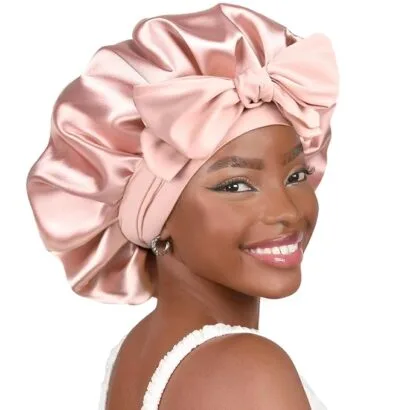
Woman wearing a pink satin bonnet.

6. Vitamins & Supplements for Stronger Hair

Another one of the most effective natural hair growth tips I’ve discovered is supporting my hair from the inside with the right vitamins. By the time I hit my 30s, I realized that diet alone sometimes wasn’t enough to give my hair everything it needed. Adding targeted supplements made a real difference in strength, shine, and thickness.

Biotin is often the go-to for hair, and for good reason — it helps with keratin production, which is the protein our hair is made of. But biotin alone isn’t the whole story. I’ve found that combining it with collagen supplements keeps my hair not only growing but also looking full and resilient. Collagen supports elasticity, making strands less prone to breakage.

Other key nutrients I include are vitamin D (for overall follicle health), zinc (to reduce shedding), and omega-3 fatty acids (to nourish the scalp and fight dryness). When I’m consistent with these, my hair feels noticeably healthier and grows at a steadier pace.

For me, this has been a game changer. It’s not about quick fixes but about giving your body the building blocks it needs for long-term results. Pairing good nutrition with smart supplementation is one of the natural hair growth tips that has truly stood the test of time.


7. Hairstyles & Regular Trims

One of the most underrated natural hair growth tips is simply being mindful of the hairstyles we choose every day. In my 20s, I often wore my hair in tight ponytails or buns without realizing how much tension that constant pulling created. Over time, I noticed breakage around my hairline and thinner strands. Now, in my 30s, I’ve learned that looser, protective styles not only feel more comfortable but also prevent unnecessary damage.

Protective hairstyles like loose braids, low buns, or even just wearing my hair down more often give my strands the freedom to stay strong. I also make it a habit to use silk scrunchies instead of regular elastic bands — they’re gentler on the hair and reduce breakage. Sleeping on a silk pillowcase has been another small change that’s made a big difference.

And then there’s trimming. For years, I avoided it because I thought cutting my hair would make it “shorter.” But I’ve since realized that regular trims are one of the smartest natural hair growth tips. By cutting off split ends before they travel up the shaft, I’m actually protecting the length I’ve worked so hard to grow. Now, a quick trim every 8–10 weeks keeps my ends fresh and my hair looking healthy.


8. Hydration from the Inside Out

It took me years to understand that hair care isn’t just about what you put on your strands — it’s also about how you care for your body. Drinking enough water daily is one of the easiest natural hair growth tips, yet it’s often overlooked. Dehydration can make hair brittle, weak, and more prone to breakage.

To keep myself on track, I carry a reusable water bottle and add electrolytes or a squeeze of lemon for flavor. Staying hydrated helps not only my hair but also my skin and overall energy levels.


9. Lifestyle Habits & Stress Management

One of the most overlooked natural hair growth tips has nothing to do with products or treatments — it’s about how we live day to day. Stress, lack of sleep, and poor diet can all show up in the health of our hair. I’ve personally noticed that during periods of high stress, my hair feels weaker and sheds more than usual.

That’s why managing stress and taking care of my overall wellbeing has become part of my hair journey. I try to maintain a regular sleep schedule (at least 7–8 hours each night), practice light yoga or meditation a few times a week, and spend time outdoors to recharge. These simple lifestyle habits don’t just improve my mood and energy — they directly support my hair health too.

Nutrition also plays a huge role. I make sure my meals include leafy greens, protein, and omega-3-rich foods like salmon or walnuts. Pairing this with vitamins designed for hair has been a game-changer in keeping my strands strong and shiny.

When I think about the big picture, it’s clear: one of the most effective natural hair growth tips is treating my whole body with care. Because healthy hair starts from within.


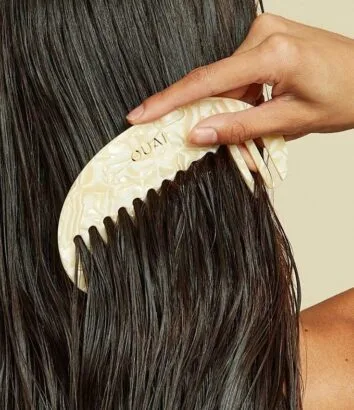
comb hair

10. Prioritize Sleep & Stress Management

One of the most underrated natural hair growth tips for women in their 30s is focusing on sleep and stress levels. I’ve noticed that whenever I go through periods of little rest or high stress, my hair is always the first to show signs — it feels weaker, sheds more easily, and loses its shine.

Getting at least 7–8 hours of quality sleep every night gives your body time to repair, regulate hormones, and support healthier hair growth. Pair that with simple stress-relieving activities — like meditation, journaling, or a short evening walk — and you’ll see the difference not just in your mood, but in your hair too.

For me, adding calming teas before bed and sticking to a consistent evening routine has been a game changer. Your hair reflects your overall health, and when your body is well-rested and calm, your scalp is in the best condition to grow stronger, healthier strands.


Does Stress Turn Hair Grey or Is It Just a Common Myth?

Does Stress Turn Hair Grey or Is It Just a Common Myth?


Does Stress Turn Hair Grey or Is It Just a Common Myth?

Many people point to dramatic before-and-after photos—such as leaders aging during intense careers or new mothers experiencing rapid physical changes—as proof that stress causes grey hair. The assumption seems logical: more stress equals faster aging. But does stress actually turn hair grey, or is something else happening behind the scenes?


Does Stress Directly Cause Grey Hair?

The short answer is no—not directly. Hair gets its color from melanin, a pigment produced by specialized cells in the hair follicle. Stress does not directly stop melanin production, which means it cannot be considered a direct cause of grey hair.

Genetics remains the primary factor determining when and how quickly hair turns grey. If premature greying runs in your family, stress alone won’t be the deciding factor.


Why does hair turn gray?

This is a very common misconception. The hair doesn’t turn gray, it grows grey. This is why you won’t wake up suddenly one day with more grey hairs than the night before. It’s a progressive transition.

The hair color is given by a pigment named melanin. As the body ages, it produces less and less melanin until its resources are exhausted. Once you start approaching this end, each new strand will become progressively lighter until the follicle is empty of melanin and, henceforward, that strand will be forever grey.

Humans aren’t born with a set number of pigments. Some people have more than others, which explains why grey hair start to appear at different ages and even young people might have them.


The effects of stress in your body

Does stress cause grey hair? No, but this is probably the only thing it doesn’t affect. As mentioned before, stress doesn’t condition the melanin production, but, because it promotes a higher hair turnover, it exhausts the resources of this pigment quicker.

As for the body in general, stress seems to negatively affect pretty much everything:

  • Weakens the immune system, increasing the risk of infections.
  • Raises the blood sugar levels.
  • Tenses the blood vessels, leading to high blood pressure.
  • Tenses the chest muscles, making it hard to breathe.
  • Triggers headaches.
  • Increases the risk of depression.
  • Makes the heart pump faster.
  • Triggers nausea, stomachaches, and acid reflux as it increases the production of acid in the stomach.
  • Increases the risk of heart attack.
  • Affects the sexual well-being, by reducing the libido, disrupting the menstruation, promoting erectile dysfunction and triggering fertility problems.
  • Worsens insomnia symptoms, as it makes harder to fall asleep.


What can you do to prevent stress from affecting your hair?

The obvious answer is: avoid anything that makes you stressed. It’s much easier to say it than to do it, but if it was easy you probably wouldn’t be looking for solutions to it.

Detox your life from all the objects and people that might be affecting you negatively. Following a detox diet to get rid of toxins is not enough. You also need to get free of whatever is making you accumulate the bad energies in your body.

There are several other strategies to reduce stress and anxiety that you can use, such as deep breaths, pouring your heart and worries to a close friend, relaxing teas you can drink and relaxing oils you can inhale.

Your diet is also very important as some foods increase the negative effects of stress, while others help to balance it.

6 Natural Home Remedies to Boost Hair Growth Fast

6 Natural Home Remedies to Boost Hair Growth Fast


6 Natural Home Remedies to Boost Hair Growth Fast

Healthy hair care doesn’t always require costly salon treatments or high-end products. In fact, many effective hair growth solutions can be found right at home using simple, budget-friendly, and easily accessible ingredients.


This article explores a variety of natural remedies and practical methods that may help support hair growth, improve strength, and enhance overall hair health when used consistently.


Home Remedies That May Help Promote Hair Growth

Below are several home remedies that can encourage hair growth when applied regularly as part of your hair care routine:


1. Coconut oil

Coconut oil provides intensive hydration to your hair and scalp as it is rich in lauric acid, which is known to penetrate deeper into the hair shaft and follicles than any other fatty acid.

Not only is coconut oil highly absorbent and lubricating, but it also forms a protective layer over the hair to prevent moisture loss and provide long-term hydration. Your hair is made up of protein that gets destroyed due to the daily onslaught of external irritants leading to brittle, rough, damaged strands over time.

Research has shown that coconut oil is the sole hair oil that has the ability to significantly reduce this protein loss to keep your hair strong and healthy. Plus, it also helps repair the already-damaged hair by preventing further protein loss. (1)

How to use:

  1. Comb a large amount of coconut oil into your hair from the roots to the tips.
  2. Wrap your hair in a bun and let the oil get properly absorbed for a few hours before rinsing it out with a gentle shampoo.

Tip: If you don’t want to oil your hair during the day, you can do it overnight and then rinse your hair the next morning.


2. Onion

Onions contain flavonoids and lots of sulfur, both of which enhance blood circulation in the scalp. This brings more nutrients to the hair follicles, allowing them to produce longer, stronger hair. 

Quercetin is a flavonoid in onions that has anti-inflammatory, antioxidant, antibacterial, and antifungal properties that protect your hair from infections, free radicals, and other sources of damage.

Research has also shown that onion juice is an effective topical remedy to promote hair regrowth. (2)

Advertisements

How to use:

  1. Extract onion juice and apply it to your scalp and your hair.
  2. Let it sit for a few minutes before shampooing and conditioning your hair.

Tip: Onion juice has a pungent smell that may not go away completely even after a thorough hair wash, but you can make it less intense by massaging a few drops of any fragrant essential oil all over your washed hair to camouflage the stink.


3. Hibiscus

Hibiscus flower is rich in vitamin C, which is a powerful antioxidant that helps ward off free radicals and repair the hair damage they cause. Plus, it also stimulates blood circulation in the scalp to provide better nourishment to the hair follicles for better hair growth.

Hibiscus flower is also endowed with phosphorus, calcium, and other important nutrients that strengthen the hair to prevent undue shedding or breakage.

How to use:

  1. Grind 3–4 hibiscus flowers and leaves into a paste.
  2. Mix in a lit bit of water along with a few drops of olive oil to smoothen the consistency of the paste.
  3. Apply the paste to your hair down to the roots.
  4. Leave it on for 15 minutes, and then rinse it off.


4. Green tea

Green tea contains a polyphenol known as epigallocatechin gallate (EGCG, which is credited with significant antioxidant activity that can protect your hair and scalp from free radicals. It also reduces inflammation in the hair follicles to keep them functioning properly.

Not just that, EGCG is known to enhance hair follicle activity to speed up hair growth. It does so through two mechanisms: by stimulating hair cell proliferation and simultaneously by inhibiting hair cell death. (3)

How to use:

  • Consume green tea every day to give your body an instant shot of vital nutrients and antioxidants that can help improve your hair health.
  • You can also use it topically as a hair rinse. Prepare a strong cup of green tea by brewing 2 tea bags in 2 cups of boiling water, and then let it cool down to lukewarm before transferring it into a spray bottle. Spritz the tea all over your washed hair and scalp while they are still damp, and then massage it in for a few minutes. Wear a shower cap and wait for up to 30 minutes before rinsing your hair and scalp with cold water.


5. Rosemary oil

Rosemary oil improves blood circulation in the scalp, which in turn stimulates hair follicle activity, leading to faster and healthier hair growth. (4)

How to use:

  1. Mix a few drops of rosemary oil in a carrier oil of your choice.
  2. Massage this solution all over your scalp.
  3. Leave it in for a few minutes and then rinse it off.


6. Ginseng

Ginseng is a Chinese herb that may help improve hair growth by triggering the formation of keratinocytes within the hair follicles. Keratinocytes are a type of cells responsible for producing the main hair-building protein called keratin.

On top of that, ginseng is also known to counter certain enzymes that inhibit hair growth. (5)

How to use:

You can directly massage ginseng powder into your dry scalp using the tips of your fingers, but it’s better to oil it first for ease of application. This topical stimulation along with the nourishing prowess of ginseng increases blood flow to the follicles to encourage hair growth.


Lifestyle Changes

Here are some self-care measures that can help reduce hair damage and promote hair growth:

  • Use sulfate-free shampoos, conditioners, and styling products that contain natural healing ingredients that are gentle on your hair and scalp.
  • Sleep on a soft satin pillowcase to reduce friction against your hair, which can damage your cuticles.
  • Meet your recommended fluid intake (7–8 glasses of water daily) to keep your scalp hydrated from within. You can also consume coconut water for added nutrients that can improve your hair quality and growth.
  • Consume a healthy, well-balanced diet that is rich in all the vital nutrients but especially omega-3 fatty acids, which are great for your hair health. Get a good dose of leafy greens, walnuts, avocados, carrots, and other nutritious foods.
  • Biotin (vitamin B7) aids in the formation of amino acids, which are building blocks for all kinds of protein, including keratin, which makes up your hair. Thus, this nutrient can help stimulate hair growth, even in people who are suffering from alopecia. You can ask your doctor to start you on a biotin supplement or use it topically by mixing it in your hair-growth or hair-thickening shampoo.
  • Wash your hair with cold water as it helps tighten your cuticles and strengthen your hair follicles. Hot water, on the other hand, tends to dry out your hair and scalp.
  • Massage your scalp once a day. It stimulates hair growth by increasing blood supply to the hair follicles.
  • Exercise regularly. Doing so helps correct certain hormonal imbalances that may be contributing to your hair fall.
  • Trim your hair regularly to get rid of split ends. This is very important to keep your tresses in the best of shape and to encourage better hair growth.
  • Deep condition your hair by using hydrating hair masks can breathe life into your dry, lackluster hair.


Preventive Tips

Here are some useful tips to prevent hair damage and hair fall:

  • Don’t overuse shampoo as it can remove the natural lipids from your hair and scalp, making them extremely dry.
  • Avoid tight hairstyles as they pull at your hair roots, which can weaken the foundation of your hair and making it easily fall out of the follicle.
  • Minimize the use of hairstyling tools such as straighteners, blow-dryers, and curling irons that expose your hair to a lot of heat, making them dry, dull, and brittle over time.
  • Avoid chemical hair treatments as they can damage your hair follicles.
  • Keep your stress levels under control through relaxation techniques such as yoga, deep breathing, meditation, and engaging in an activity or hobby that gives you joy. High stress triggers the release of cortisone hormone, which can negatively affect hair follicle function.
  • Don’t use hair products that contain harsh chemicals such as parabens and sulfates as they strip the moisture from your hair and scalp while also causing toxic damage over repeated applications.
  • Wait for your hair to dry before gently brushing or combing them. This is because your hair is at its weakest when damp and can easily break or shed from the follicle when subjected to pressure. If you have long or curly hair, use a wide-tooth comb to detangle any knots before you start brushing/combing to prevent any hair breakage.


Most-Asked Questions About Hair Growth

When the hair becomes longer, does it slow down in terms of growth?

Your hair may not stop growing once it reaches a particular length, but it may stop growing after a certain period of time has passed.

Hair growth occurs across different stages that follow each other in a continuous cycle. When the hair has completed its growing phase, it enters into the final resting stage, during which it remains the same length until it finally falls out.


Is fenugreek a good remedy for hair growth?

Fenugreek is loaded with protein, which is the most abundant component of hair, and is therefore a good topical remedy for hair growth. It also contains lecithin, which helps hydrate and strengthen hair to reduce hair loss.


Final Word

For any hair care regimen to work, it must be followed diligently. A single remedy or therapy cannot fix all your hair problems by itself. Plus, every remedy will not give the same results for everyone. You have to look for the ones that suit your hair type.

If the goal is promoting hair growth, the above-listed remedies carry a lot of anecdotal support and are backed by scientific evidence as well. You can give them a try, but don’t expect instant results. Also, make sure to combine these therapies with a healthy diet and a well-rounded hair care routine.


12 Simple Daily Habits That Make Your Hair Healthier and Stronger

12 Simple Daily Habits That Make Your Hair Healthier and Stronger


12 Simple Daily Habits That Make Your Hair Healthier and Stronger

Everyone dreams of having healthy, shiny, and thick hair. While some people are naturally blessed with great hair, many others struggle due to factors such as aging, genetics, medical conditions, medications, stress, and environmental damage. Daily hair shedding is normal, but excessive hair fall, dryness, and thinning don’t have to be permanent problems.


The good news? You can significantly improve your hair’s condition by adopting the right habits. Small changes in your daily hair care routine can help reduce breakage, strengthen hair strands, and restore your hair’s natural shine over time.


Keep reading to discover 12 simple yet effective habits that can help keep your hair healthy and strong.


Tips on How to Keep Your Hair Healthy

If your current hair care routine is leading to dryness, breakage, or thinning, it may be time for a reset. Many common habits—such as over-washing, excessive heat styling, or using harsh products—can slowly damage your hair without you realizing it.


By following these healthy hair habits, you can protect your hair from daily damage and support long-term hair health. They’re easy to follow, suitable for most hair types, and can make a noticeable difference in how your hair looks and feels—setting you up for better hair days ahead.


1. Brush Your Hair Daily

The first step to caring for your hair is not using the right product but how to brush it right. No matter what texture your hair is, take 60 seconds out of your daily routine to untangle them, especially before you shower. It is important because when you brush wet hairs, they break due to increased vulnerability. Moreover, it improves your hair’s look, lustre and health.

Benefits of Brushing Hair Daily

  • Brushing distributes natural oil from your scalp to your hair ends, improving shine.
  • Combining exerts a gentle pressure on your scalp, which massages and stimulates it. This, in turn, improves blood flow in the scalp and promotes hair growth.
  • It also helps remove all the loose hair strands. On average, we lose 100-150 hair strands daily and brushing helps eliminate them.

Other Tips on Hair Brushing

Make sure you are not over-brushing. Combing once a day is enough. More than that can stretch and make your hair weak leading to breakage. 


2. Shampoo to Build Strength 

Another important habit to adopt when searching for how to maintain healthy hair is using a shampoo that is sulphate free. Sulphates are detergents mixed in shampoo that make your hair follicles weak, thus making hairs susceptible to breakage. So, using a sulphate-free shampoo, gently massage your scalp for better growth.

Benefits of Using Shampoo

  • The shampoo helps fight dryness and oiliness. While some are manufactured for dry hair, some are for oily scalp. So, choose your product wisely.
  • It relieves itchiness and irritation by calming your nerves through gentle scalp massage and removing pesky flakes.
  • It helps remove redness which mainly develops due to exposure to harsh chemicals. However, it is not an issue in sulphate-free shampoo.

Other Tips on Using Shampoo

While not washing your hair damages it, over-washing leads to more severe effects. On average, you should wash it every 2 to 3 days or when it becomes greasy, itchy, or flaky.


 3. Using Conditioner Once a Week

Conditioning your hair every time you wash it is equally important, or condition it at least once a week. However, while doing it, do not apply it to your scalp. The best way to do it is to apply it to your mid-shaft and the ends, then work your way up to the scalp. Also, give it one minute before you wash it off.

Benefits of Using Conditioner

  • It nourishes your hair to improve smoothness and shine.
  • If you are suffering from a flyaway problem due to static electricity and dry weather, regular conditioning can help you get rid of it.
  • Hair ends often become brittle, dry and frayed, which results in split ends. Conditioning helps here by rejuvenating and nourishing it.

Other Tips on Using Conditioner

It is not healthy to condition the hair every day. You should only apply it after shampooing, i.e., two or three times a week. Overusing it can weigh down your hair resulting in breakage. 


 4. Avoid Heat of Curlers & Straighteners

The heat of curlers and straighteners used to achieve different hair looks can be a reason behind their breakage. In addition, regular flat ironing can also result in hair damage, dryness and split ends. So, as a tip for healthy hair, avoid heat as much as possible. If not, keep the temperature below 400-degree or use a ceramic one. Also, invest in a flat iron that contains the plate’s material and allows heat distribution.

Benefits of Avoiding Curlers & Straighteners

  • When straightening, the smoke that comes out is the moisture of your hair evaporating. By avoiding or reducing the temperature, you could retain it.
  • Heat makes your hair more susceptible to breakage. However, by reducing it, you are protecting it.
  • Straightening or curling often robs your hair of natural oils in the scalp resulting in dullness. So, by avoiding it, you could maintain its nourishment.

Other Tips on Using Curlers & Straighteners

At times when you need a hairstyle, make sure to apply a hair protectant before applying heat to your hair. Also, for aftercare oil, your hair regularly and condition it once in a while. 


5. Schedule for Hair Spa

Another effective tip on how to keep the hair healthy is scheduling regular hair spa sessions to revive its nourishment. Hair streamers help hydrate your strands and improve blood flow on the scalp. As a result, it boosts your hair growth. Other steps will involve shampooing, putting on hair masks and massaging, each having its respective set of purposes.

Benefits of Getting a Hair Spa

  • Hair spa cleanses your scalp deeply, which opens clogged pores and rejuvenates your hair from its root.
  • Massages during the hair spa treatment enhance the scalp's flow, bringing nutrients to the follicles. As a result, you get firmer hair.
  • Hair spa balances the pH levels of your scalp, promoting healthy hair and fighting dandruff.

Other Tips on Getting a Hair Spa

If you have coloured your hair recently, talk to your therapist before scheduling for a hair spa. This is because there is a chance the colour might fade. 


6. Keep Hair Away from Direct Sunlight 

Sun can play a big role in damaging the hair by oxidising and drying it out. So, it is best to cover it before stepping outside. The best way to do this is by investing in a hat or scarf to cover it. You can also put it in a loose bun or use SPF products. This will also prevent it from getting brittle, broken, or forming split ends.

Benefits of Protecting Hair from Direct Sunlight

  • You can avoid discolouration of your hair by protecting it from direct sunlight.
  • If you avoid exposure to direct sunlight it helps protect your hair from thinning and causing frizziness.

Other Tips on Protecting Hair from Direct Sunlight

While it is good to protect your hair from direct sunlight for a long time, it also requires a certain amount of sun exposure to replenish the scalp with vitamin D. So. Make sure to maintain a balance between both.


7. Get Regular Haircuts or Trims 

While it is tempting to skip haircuts in the desire to make your hair grow faster, one must stick to the habit of trimming for healthy hair. This is important because skipping it can lead to breakage and split ends. Also, it might sound unbelievable that avoiding trimming your hair also leads to length retention. So, make it a habit of making an appointment at the salon every 8 to 12 weeks.

Benefits of Getting Regular Haircuts or Trims

  • Trimming your hair will detangle it, thus reducing the breakage and thinning of hair.
  • You can get rid of split ends regularly, giving a thicker-looking aspect to the tip of your hair.

Other Tips on Getting Regular Haircuts or Trims

If you do not wish to trim the hair every 8 to 12 weeks, try its alternative, i.e., hair dusting. It is a borderline microscopic haircut that will dust only the ends of your locks to give them a freshly-cut look. So, you don’t lose any lengths. 


8. Ease Up the Tension 

While it is tempting to skip haircuts in the desire to make your hair grow faster, one must stick to the habit of trimming for healthy hair. This is important because skipping it can lead to breakage and split ends. Also, it might sound unbelievable that avoiding trimming your hair also leads to length retention. So, make it a habit of making an appointment at the salon every 8 to 12 weeks.

Benefits of Easing Up the Tension

  • Forming a high and tight ponytail can cause constant friction of your strands, leading to fraying and breakage. So, by avoiding it, you are protecting it from falling off.
  • Loosening your hair will also avoid the long-term problems associated with hair follicles. So, your hair grows at the right rate.

Other Tips on Easing Up the Tension

Sleeping in a ponytail can be more harmful than throughout the day. It is because tossing around in your sleep causes constant friction with the cushion fabric, which puts extra stress on your follicles. So avoid it or swap your cushion fabric with a silk one. 


9. Finish Off by Rinsing With Cold Water 

When you have shampooed or conditioned your hair using lukewarm water, always finish by rinsing your hair with cold water. This is because applying anything hot to your hair, whether water or a hair appliance, can dry out your strands. In addition, there are attached benefits to this habit for healthy hair, too, like:

Benefits of Rinsing Hair With Cold Water

  • It closes your hair cuticle and makes your hair strands look smoother.
  • The habit also helps maintain moisture by locking the opened pores and sealing your hair colour.

Other Tips on Rinsing Hair With Cold Water

This also does not mean you should eliminate applying warm water to the hair as it has its purpose, like getting rid of dirt and dust. However, avoid boiling water. 


 10. Use Silk Pillows

Benefits of Using Silk Pillow

  • Dermatologists have also said that sleeping on silk pillowcases keeps your hair free of dandruff.
  • The fabric also keeps the hair hydrated so you can maintain the moisture content in your hair.

Other Tips on Using Silk Pillows

If you are going to invest in a silk pillowcase, buy one with a high momme of 22 or more. Momme is the unit for fabric weight. In contrast, you can also look for Mulberry silk. It is a type of silk similar to Egyptian cotton. 


11. Don't Fall for Hair Supplements 

While many hypes about skin, hair, and nail supplements, they are not always effective. Not to mention the dietary supplement industry has not set any regulations for these sectors. So, if you want zinc, biotin and protein for your hair, it is best to get them through food and not pills. Moreover, even if you do, take it in a controlled way.

Benefits of Avoiding Hair Supplements

  • It minimises the chances of over-consuming nutrients that can fill the body toxicities, further increasing hair fall.
  • There is a lack of research on these products, so we might not know what effects they may create, will it be positive or negative.

Other Tips on Hair Supplements

If you see different signs of over-consuming nutrients like iron and zinc, stop consuming hair supplements immediately. Symptoms of excess iron are abdominal pain, GI bleeding, and metabolic acidosis. In addition, symptoms of excess zinc are vomiting, abdominal pain and diarrhoea. 


12. Use T-Shirts to Dry the Hair 

This point is especially applicable to those with curly hair. You can develop a lot of frizz by rubbing your wet hair with a towel. Instead, develop a habit for healthy hair by using an old t-shirt in this situation. Further, you can also squeeze and blot the water out using this t-shirt. Not to mention this method also keeps the hair cuticle smooth and flat.

Benefits of Using T-Shirts to Dry Hair

  • Unlike towels, t-shirts do not have rough grooves. So, it allows the water to sink and slide over your hair rather than roughing it up.
  • In addition to absorbing water, towels also soak up your hair's moisture. So, using a t-shirt saves your hair from stripping away its moisture.

Other Tips on Using T-Shirts to Dry Hair

Some people prefer applying hair products before wrapping them up to dry. If you are one such person, you can run some mousse or hair cream through the strands and then wrap it up with the towel. However, leave it for 10 to 15 minutes to dry, then style your hair.

Hope you now know how to keep your hair healthy. Follow the life-changing ideas discussed above. With proper care, you will soon be able to notice the difference yourself.