Why Vitamin D Supplements Might Not Be Necessary for Bone Health

Why Vitamin D Supplements Might Not Be Necessary for Bone Health


Why Vitamin D Supplements Might Not Be Necessary for Bone Health

Vitamin D supplements appear to provide little to no benefit for maintaining bone health, according to researchers behind the largest and most comprehensive review of evidence to date. The authors suggest that public health recommendations encouraging everyone to take vitamin D supplements during winter months may need to be reconsidered.


The findings dispute long-standing assumptions about the role of vitamin D in strengthening bones and may surprise many people who regularly take the supplement believing it supports their skeletal health. To reach their conclusions, the researchers conducted an extensive meta-analysis, combining data from 81 individual studies to ensure the most reliable and thorough results possible.


After reviewing the evidence, the authors found no solid proof that vitamin D supplementation improves bone health for the general population. The only clear benefits were observed in individuals at high risk of developing certain rare bone-related conditions. For most people, however, the study indicates that routine vitamin D supplementation is unlikely to offer meaningful protection for bone strength.


The Department of Health currently says everyone should consider taking a vitamin D supplement for their bone health in the winter months, between October and March, if they cannot get enough by exposure to sunlight. That includes all infants and children from six months to five years. It is based on findings from the government’s scientific advisory committee on nutrition (SACN) in July 2016, which did not conclude there were other proven health benefits.


The new meta-analysis is published in the Lancet Diabetes and Endocrinology journal and led by the longstanding experts on vitamin D Profs Mark Bolland and Andrew Grey from the University of Auckland in New Zealand and Prof Alison Avenell of Aberdeen University.


Bolland said things have changed since 2014, when the last major review of the evidence was carried out. In the last four years, “more than 30 randomised controlled trials on vitamin D and bone health have been published, nearly doubling the evidence base available,” he said.


“Our meta-analysis finds that vitamin D does not prevent fractures, falls or improve bone mineral density, whether at high or low dose.”


He said the advice given by doctors and government health departments around the world recommending vitamin D and saying it is helpful in osteoporosis or brittle bone disease, which afflicts older people, should now be altered. “Clinical guidelines should be changed to reflect these findings,” he said.


He said further trials looking at the effects of vitamin D on bone health would be pointless. “On the strength of existing evidence, we believe there is little justification for more trials of vitamin D supplements looking at musculoskeletal outcomes,” he said.


Everybody needs vitamin D; the question is whether we should get it from supplements. It is made in the body naturally as a result of exposure to sunlight, which is why people living in northern climates and those who cover up their skin may have lower levels than they should. It is also contained in a small number of foods, such as cod liver oil, offal, egg yolk and oily fish including salmon and mackerel.
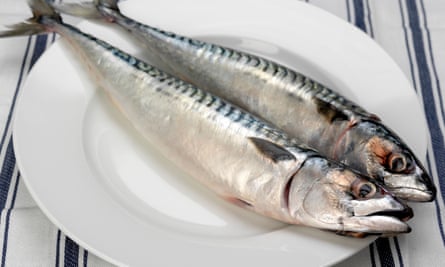
Mackerel
Oily fish such as mackerel contains vitamin D. Photograph: Alamy

The studies that have been done are mostly in older people who could be at risk of osteoporosis (brittle bone disease), but Avenell said there is no evidence of benefit for any adults – apart from those few who are at high risk of osteomalacia, a form of rickets in adults.


“I do think they should change the guidance,” she said. “We don’t think that the population needs to take vitamin D supplementation, because trials don’t show it has any benefit in protecting against falls and fractures or all the other things vitamin D is supposed to protect you against.


“There’s no harm in taking low-dose vitamin D supplements as far as we know, but if [the government’s nutrition advisers] really believed it has important effects, surely they should be recommending that there should be fortification of food.”


They were not talking about the effects of supplements in children and young people, she said, because there had not been trials. They were also very clear, she said, that people who were never exposed to the sun because they covered themselves up or were institutionalised were at risk of vitamin D deficiency.


“The context for this analysis lies in the fact that many patients (and doctors) have been persuaded by various studies and social media that vitamin D is a cure-all,” said J Chris Gallagher of the Creighton University Medical Center in Omaha, USA, in a linked comment in the journal.


“This thinking is reminiscent of the fervour that supported the widespread use of vitamin A, vitamin C and vitamin E years ago, and all of those vitamin trials later proved to be clinically negative.


“The authors should be complimented on an important updated analysis on musculoskeletal health, but already I can hear the fervent supporters – what about the extra-skeletal benefits of vitamin D?”


According to the SACN, there have been suggestions that vitamin D can help with a number of other “extra-skeletal” health issues, including cancer, heart disease, high blood pressure, infectious diseases, neuropsychological functioning, oral health and age-related macular degeneration, although the did not find convincing evidence for any of these. Gallagher believes studies now taking place will answer those questions.


“Within three years we might have that answer because there are approximately 100,000 participants currently enrolled in randomised, placebo-controlled trials of vitamin D supplementation,” he wrote. “I look forward to those studies giving us the last word on vitamin D.”


Prof Louis Levy, head of nutrition science at Public Health England, maintained that people should continue to take supplements. “With a fifth of people in the UK showing concerning vitamin D levels, government advice is to achieve this from sunshine and a healthy balanced diet during summer and spring,” he said. “During autumn and winter, those not consuming foods naturally containing or fortified with vitamin D should consider a 10 microgram supplement.”


Martin Hewison, professor of molecular endocrinology at the University of Birmingham, agreed, adding that many trials for vitamin D supplementation have shown it is only effective if individuals are vitamin D-deficient to begin with – but that in this research very few participants started off with low levels of vitamin D.


“What the current study illustrates,” he said, “is that more studies are required that target vitamin D supplementation where it is needed – in people with vitamin D deficiency.”


10 Surprising of Benefits of Vitamin D

10 Surprising of Benefits of Vitamin D

10 Surprising of Benefits of Vitamin D

Vitamin D is essential for healthy bones, as you may well know, but its benefits go beyond bone health.

Because our bodies can create it when exposed to sunlight, vitamin D is sometimes referred to as the "sunshine vitamin." It is essential for preserving general health. Its main job is to make it easier for calcium to be absorbed, which is necessary for bone formation and repair.

However, vitamin D's advantages extend beyond bone health. In addition, it might help control blood pressure, boost immunity, assist in controlling weight, and more. The following list of ten main advantages of vitamin D includes suggestions for how to include it in your regular diet:


1. Strengthens Bones

Vitamin D works alongside calcium to build and fortify bones, thus preventing conditions like osteoporosis, characterized by weak and brittle bones.


2. Supports the Immune System

Research suggests that vitamin D supplementation can enhance immunity, particularly in individuals deficient in this vitamin. Studies have shown a reduced risk of acute respiratory infections with regular vitamin D intake, especially in regions with limited sunlight exposure during winter.


3. Supports Muscle Strength

In addition to its role in bone health, vitamin D also plays a role in strengthening muscles. It aids in the development and growth of muscle fibers, contributing to better balance and reduced risk of falls by supporting bone health.


4. Benefits Oral Health

While research on the relationship between vitamin D and oral health is limited, some evidence suggests that vitamin D’s ability to enhance calcium absorption may help lower the risk of cavities, tooth decay, and gum disease.


5. Potential Diabetes Prevention

Although studies are ongoing, there is some indication that vitamin D supplementation may contribute to the prevention of both type 1 and type 2 diabetes.

One study observed improved insulin sensitivity after six months of vitamin D supplementation among individuals with diabetes or at high risk for the disease.


6. Alleviates Irritable Bowel Syndrome (IBS) Symptoms

Vitamin D might be beneficial for individuals with IBS, as deficiencies in this vitamin are common among them. Some research suggests that vitamin D supplementation could lead to milder IBS symptoms, possibly due to its anti-inflammatory properties.

However, the relationship between vitamin D intake and symptom improvement in IBS is complex and not fully understood.


7. Supports Mental Health

Just as sunlight can lift your spirits, so can vitamin D. Research suggests a connection between depression and vitamin D deficiency, though further studies are needed to fully understand this relationship—whether low vitamin D levels contribute to depression or vice versa.

Nevertheless, experts recommend screening for vitamin D deficiency in individuals with depression, as addressing this deficiency may help improve outcomes.


8. Reduces Multiple Sclerosis Risk

Adequate vitamin D intake may lower the risk of developing multiple sclerosis (MS), an autoimmune disorder affecting the central nervous system. Lower levels of vitamin D have been associated with increased MS risk, while higher intake may reduce disease activity and relapse rates.


9. Reduces Pregnancy Complications

Maintaining sufficient vitamin D levels during pregnancy is important, as deficiency has been linked to various complications such as gestational diabetes, preeclampsia, and pre-term birth.


10. Prevents Rickets in Children

Vitamin D plays a crucial role in children’s bone health, with deficiency increasing the risk of rickets—a condition characterized by softening of bones, especially in children under two years old.

It’s recommended that infants receive 400 international units (IU) of vitamin D daily until they reach 12 months, followed by 600 IU thereafter.


Recommended Vitamin D Intake

  • – Adults aged 19 to 70: 15 micrograms (mcg) or 600 IU
  • – Pregnant and lactating individuals: 15mcg or 600 IU
  • – Adults aged 70 and above: 20mcg or 800 IU


Vitamin D Deficiency

About 25% of Americans have insufficient vitamin D levels, which can result from various factors including inadequate dietary intake and conditions affecting absorption. Deficiency may lead to bone density loss, pain, rickets, and weakened bones or muscles.


9 Vitamins and Minerals to fight inflammation (and where to get them)

9 Vitamins and Minerals to fight inflammation (and where to get them)


9 Vitamins and Minerals to fight inflammation (and where to get them)

Human bodies need vitamins, antioxidants and minerals to carry their vital functions properly. Nutrients provide a strong anti-inflammatory effect and aid in relieving many health conditions. Foods abundant in nutrients prevent inflammations, especially arthritis. In this article we give you 9 natural anti-inflammatory nutrients and their richest sources.


Magnesium

It not only relieves inflammation, but it also decreases stress. People with magnesium deficiency deal with stress, which in turn leads to cravings, altered hormone level and even depression. About 70% of Americans struggle with magnesium deficiency. This mineral is found in dark leafy greens, almonds and legumes. Obese people often deal with low magnesium levels, mostly because their nutrient intake is pretty low.


Coenzyme Q10

It is both an antioxidant and anti-inflammatory. It relieves inflammation induced conditions, like gout and chronic arthritis. Eat more olive oil, salmon, sardines, avocado, parsley, walnuts, mackerel, broccoli, and spinach. These are abundant in coenzyme Q10.


Vitamin E

It is an antioxidant vitamin that provides a strong inflammatory relief. Vitamin E is mostly contained in nuts, seeds, spinach and avocado. As part of the group of essential vitamins and minerals, vitamin E is extremely powerful when it comes to improving the ability of human body to heal itself.


Glutathione

It is a strong antioxidant that decreases free radical damage, and reduces inflammation as well. Avocadoes, tomatoes, apples, grapefruit and garlic are high in this mighty antioxidant.


Vitamin K

As studies have shown, vitamin K protects against heart disease, osteoporosis, and other similar ailments. Vitamin K1 is found in kale, cauliflower, cabbage, and spinach. Vitamin K2 is mostly contained in eggs and liver.


Vitamin B

Vitamin B6 deficiency increase the level of C-reactive protein, or the inflammation inside a body. Mushrooms, bell peppers, turkey, cod and kale are abundant in B vitamins. Folate is another B vitamin that reduces inflammation in obese people, even when taken in low doses for a short period. Folate is found in dark leafy greens and black-eyed peas.


Vitamin D

Increase the intake of vitamin D to reduce inflammation. Vitamin D deficiency causes inflammation, such as arthritis and chronic joint pain. About two thirds of the US population struggle with vitamin D deficiency. It is found in fish, organ meat, egg yolks and milk. You can boost your vitamin D level by spending more time in the sun.


Vitamin A / Beta-carotene

Beta-carotene converts into vitamin A in the body. Vitamin A is an anti-inflammatory, and an antioxidant that prevents damages caused by free radicals. Eat spinach, sweet potato, cantaloupe, broccoli and collard greens to get more vitamin A.


Vitamin C

It has a powerful anti-inflammatory effect, especially when obtained from tomatoes and tomato juice. Low sugar foods are an excellent source of this vitamin, but it is also found in certain fruits, like lemons for instance. Start your day with warm lemon water and enjoy a healthier lifestyle.

Vitamin K2: The Missing Link Between Diet, Disease and Death

Vitamin K2: The Missing Link Between Diet, Disease and Death

Vitamin K2: The Missing Link Between Diet, Disease and Death


You’ve probably heard of vitamin A, vitamin B, B12, C and even K; however, there is one vitamin that you may have never heard of before, but that is just as important as all the other vitamins – vitamin K12.

If you haven’t heard of K12, you aren’t alone. It’s widely unheard of in the United States and it has definitely not received a whole lot of attention-grabbing news.

Well, it’s about time you find out about this super important vitamin, as it is a vital to so many aspects of your health. It’s so important to health, in fact, that many researchers say that it is the ‘missing link’ between diet and disease.
 

What is Vitamin K2?

So, why is vitamin K so important? Well, to understand, you first have to understand what vitamin K is and why it is important.

Vitamin K was first discovered in 1929. It was given the name Koagulationsvitamin (hence the ‘K’) and it was found to be an essential nutrient in the blood. Weston Price, a famous dentist, also discovered vitamin K when he travelled around the world to study how the diet of different cultures played a role in the diseases of these populations.

Mr Price found that the cultures of non-industrial cultures were very high in a nutrient that had never been seen before, and these cultures had a significantly lower incidence of chronic disease and tooth decay. He called it Activator X. Today, and today, it is believed that Activator X was actually vitamin K2.

Why is Vitamin K2 So Beneficial?

It was once believed that vitamin K was only beneficial to the body because of its ability to clot blood, and it was also believed that K2 was just a derivative of vitamin K; however, recent evidence has determined that vitamin K2 is actually vital for the body, and that its benefits are far more than just helping blood to clot.


Vitamin K2 plays a key role in so many important functions of the body, including:

  • Warding off heart disease
  • Promoting healthy skin
  • Helps to form strong bones
  • Promotes healthier brain function
  • Supports the growth and the development of new cells
  • Prevents cancer from developing


How to Increase Your Vitamin K2 Intake

So, since vitamin K2 is so good for you, how can you get more of it in your diet? There is one easy way, and that is through your diet. Vitamin K2 is found in foods that are animal-based, particularly meat and poultry, which is quite different than vitamin K1, which is found primarily in leafy green vegetables. K2 naturally develops in meat-based foods, and thus eating more meat and poultry will up your vitamin K2 intake. So, in other words, eat more chicken and steak.


If you don’t eat meat, that doesn’t mean you can’t increase the amount of vitamin K2 you intake. There are supplements available that are non-meat based and that will help you increase your level of this extremely important vitamin.

Vitamin Deficiency: 7 Symptoms That Can Be Seen on Your Face

Vitamin Deficiency: 7 Symptoms That Can Be Seen on Your Face

Vitamin Deficiency: 7 Symptoms That Can Be Seen on Your Face


The face will let you know whether you are shy of some nutrients in the body, like fair skin, swollen eyes, and the presence of splits at the side of the mouth. The principle reasons behind nutrient deficiency are a lack of a legitimate eating routine and the absence of an adjusted eating routine.

There are seven normal side effects for demonstrating nutrient deficiency, which might be joined by other unpleasant manifestations since the absence of nutrients in the body is typically accompanied by disintegration in general wellbeing.

7 Facial Symptoms for Vitamin Shortage:

1. Touchy gums 

If you have draining gums or your teeth are feeling free, at that point you are most likely inadequate with regards to nutrient C. Because of that, you are in higher danger of contamination, and if you have wounds, they are recuperating rather ineffectively. Nutrient C plays a pivotal role in boosting the insusceptibility; however, it is likewise especially required for the generation of collagen and keeping the connective tissues solid. In this way, make a point to incorporate foods into your eating routine that are rich in nutrient C, including all citrus natural products, peppers, spinach, green cabbage, broccoli, and currants.


2. Fair skin 

Pale skin means that nutrient B12 deficiency means that you don't have normally fair skin. An extreme lack of nutrient B12 can prompt the development of genuine diseases like dementia, loss of motion, or harm to your sensory system. On the off chance that your skin is pale and, in the meantime, you are experiencing fatigue, diseases, or emotional episodes, at that point, all things considered, your body does not get enough nutrients. 

Vitamin B12 is an urgent supplement exceptionally required for blood creation, cell division, and solid digestion. It is exclusively found in creature items, and as a result, individuals who keep away from creature items ought to intently screen the admission of nutrient B12 as they are inclined to this lack. In this manner, it is prescribed for vegetarians to take in enhancements when essential. Nutrient B12 is available in herring, trout, clams, liver, meat, and pot cheddar. 


3. Skin inflammation 

Zinc deficiency is normally reflected in the presence of skin breakouts, dermatitis, dry skin, and just as poor injury healing. This nutrient plays an urgent role in maintaining a solid-resistant framework and in cell division and substitution. On the off chance that you are encountering genuine hardship with zits or skin breaking out, at that point you may utilize a zinc salve to the affected territories. Still, numerous specialists prescribe the admission of zinc to be for the most part dependent on nourishment admission, and due to that, you should expand sustenances in your eating regimen, like shellfish, wheat grain, calf's liver, edam cheddar, and furthermore, pumpkin seeds, which are particularly rich in zinc. 


4. Wrinkles 

Wrinkles are a totally typical thing as the years pass by; however, in the event that they show up all of a sudden in a brief timeframe and there are a large number of them, at that point, this means that nutrient E is lacking. Nutrient E is significant when wrinkles are worried, as it has the capacity to bring down oxidative pressure and ensure the phone. Absence of nutrient E contributes to the creation of collagen, which then again diminishes the flexibility of the skin, bringing about the appearance of wrinkles. This nutrient, in like manner, supports your resistance, richness, and the wellbeing of your eyes. In this way, make a point to expend it in huge amounts, which are available in the accompanying nourishments: almonds, muesli, plant-based oils like olive oil or sunflower oil, walnuts, and wholegrain items.


5. Swollen eyelids 

Swollen eyelids are an ordinary thing, for example, on the off chance that you have quite recently cried. However,  on the off chance that it is a lasting condition, at that point, this shows your body needs iodine. The best possible admission of iodine is significant for the capacity of the thyroid, and the lack will prompt conditions like an underactive thyroid, thyroid knobs, or even thyroid disease. The body needs its iodine, and in light of that, you have to take it through the devoured nourishments, for example, fish, dairy items, and cranberries. On the off chance that by any chance you are feeling tired or encountering awful states of mind and balding, at that point, by all methods, visit your specialist on the grounds that these are manifestations of an underactive thyroid. 


6. Breaks at the sides of the mouth 

If you have breaks at the sides of your mouth alongside the event of male pattern baldness, pale lips, tiredness, or absentmindedness, at that point, all things considered, you are short on iron. Iron is significant for the nature of your blood, as this component transports oxygen around your body and creates hemoglobin and red platelets. Sustenances that are high on iron are lentils, pig's liver, oats, liverwurst, and just as chanterelles. 


7. Dried-out hair 

Regular treatments of the hair that include the utilization of hair victories, coloring, and fixing of it can prompt it to dry out. On the off chance that you quit applying these hair medicines and switched to the utilization of the correct items, at that point your hair ought to reestablish its excellence and sparkle. Be that as it may, even after this change isn't the situation, at that point, this means biotindeficiency. This insufficiency is likewise associated with the presence of fragile fingernails. You can anticipate this on the off chance that you begin to expend nourishments that are rich in biotin, like beans, tomatoes, eggs, soya items, or cereal. 

The face truly enlightens a great deal regarding the character of an individual and, in this situation, its wellbeing. Regardless, before taking any enhancements, it is in every case best to first counsel your doctor, and after that, begin utilizing the enhancements if necessary. You ought to never take supplements without deciding whether you have an inadequacy or not.

5 Warning Signs of Vitamin B12 Deficiency You Should Never Ignore

5 Warning Signs of Vitamin B12 Deficiency You Should Never Ignore

5 Warning Signs of Vitamin B12 Deficiency You Should Never Ignore

Numerous individuals don't give enough consideration to their nutrient B12 consumption. This water-solvent nutrient is found in certain creature based sustenances. Notwithstanding, it is accessible as an enhancement also. 

This nutrient performs different capacities in the human body, so it is a fundamental supplement for our wellbeing. Our body does not create nutrient B12, so it is of most extreme significance to get it routinely. 


The amount SHOULD WE GET? 

This relies upon various factors, for example, ailment, age, utilization of drugs, and dietary patterns. 

The National Institute of Health asserts that as indicated by the age, this is the suggested normal portion: 

  • Babies (0-6 months) – 0.4 mcg 
  • Children (7 a year) – 0.5 mcg 
  • Kids (1-3 years) – 0.9 mcg 
  • Children (4-8 years) – 1.2 mcg 
  • Kids (9-13) – 1.8 mcg 
  • Adolescents (14-18 years) – 2.4 mcg\ 
  • Grown-ups – 2.4 mcg 
  • Pregnant ladies – 2.6 mcg
  • Breastfeeding ladies – 2.8 mcg


Wellsprings OF VITAMIN B12:

  • Creature based nourishments like dairy items, fish, milk, meat, cheddar, and poultry have a high substance of nutrient B12. 
  • These are the 10 best wellsprings of nutrient B12: 
  • Sheep: 0.8 mg in 3 ounces 
  • Crude milk: 1 mg in a glass 
  • Hamburger tenderloin: 0.9 mg in 3 ounces 
  • Chicken and hamburger liver: 81 mg in 3 ounces 
  • Herring: 143 mg in a filet 
  • Salmon: 108 mg in a filet 
  • Turkey: 1.1 mg in 3 ounces 
  • Natural yogurt: 170 g in a holder 
  • Trout: 9.1 mg in a filet 
  • Mackerel: 15.3 mg in 3 ounces 
  • Manifestations OF VITAMIN B12 DEFICIENCY 
  • Nutrient B12 inadequacy can prompt state of mind changes, exhaustion, cerebrum haze, and absence of inspiration. 

These are the most well-known manifestations of nutrient B12 inadequacy: 

  • Jaundice (yellow and fair skin) 
  • Vision misfortune 
  • Shortcoming and tiredness 
  • Joint agony and muscle shortcoming 
  • Neuropathy 
  • Pallor 
  • Mental issues, similar to despondency, memory misfortune or conduct changes 
  • Failure to focus 
  • Fantasies and neurosis 
  • Strolling challenges 
  • An aggravated and swollen tongue 
  • Discombobulation
  • Loss of hunger, the runs, gas and stoppage 
  • Mind and mental haze 
  • Shortness of breath and heart palpitations 
  • Shivering, deadness and consuming sensation in the legs, feet and hands 

It is evaluated that over 40% of the Americans are lacking in nutrient B12, particularly those with unending weariness disorder and fibromyalgia. 


On the off chance that you experience the ill effects of the accompanying medical issues, you are bound to create nutrient B12 inadequacy:

  • Dementia 
  • Atrophic gastritis 
  • Safe framework issue, similar to lupus and Graves sickness 
  • Poisonous paleness 
  • Small digestive system issues like bacterial or parasite development, celiac sickness, and Crohn's infection 

Nutrient B12 Test: 

To test your nutrient B12, approach your specialist for an intracellular B12 test. Homocyteine and Methylmalonic Acid are other backhanded proportions of nutrient B12 work. In any case, they are less exact than the intracellular test 


Reasons for VITAMIN B12 DEFICIENCY:

  • Acid reflux drugs 
  • Acid reflux drugs 

Acid reflux is the primary side effect of gluten affectability and stomach related clutters. Endorsed indigestion drugs can hinder the movement of the Parietal cells, in this manner bringing down the stomach corrosive dimensions. 

Rather than treating the manifestations with drugs, you ought to decide the reasons for indigestion prescriptions. 


Malicious weakness 

Never Ignore This Signs of Vitamin B12 Deficiency 

This immune system infection happens when the invulnerable framework assaults the body cells in charge of the generation of IF protein and stomach corrosive. 

In the event that the resistant framework assaults parietal cells, they won't deliver Hydrochloric corrosive, which dispenses with nutrient B12 from the dietary atoms. 

The Intrinsic factor helps the nutrient B12 through the intestinal cells to the circulatory system. In the event that they are not ready to deliver natural factor, they won't assimilate nutrient B12. This prompts cell lack. 


Intestinal penetrability or Leaky gut disorder 

There are numerous foundations for the broken gut disorder, including dairy protein affectability, parasitic contaminations, gluten affectability, H. pylori, and other intestinal bacterial diseases. 

These issues produce microscopic organisms, which can decimate the gut lining dividers, which permits the passage of poisons and microorganisms into the circulation system, which hurts the invulnerable framework. This decreases the capacity of our body to ingest nutrient B12. 


Chemotherapy treatment 

Chemotherapy is exceptionally hurtful to our wellbeing. Chemo prescriptions can cause stomach and gut cell bothering, which prompts different negative impacts. 


Poor gut microbiome 

The great microscopic organisms separate the sustenance we eat and retain the critical supplements in the circulation system. An irregularity of gut microscopic organisms can cause poor retention of fundamental nutrients, for example, nutrient B12. 

To anticipate the development of awful microorganisms, try to keep away from or limit the sugar consumption and expend more vegetables 


Advantages OF VITAMIN B12: 

The insufficiency of nutrient B12 is the principle supplement inadequacy around the world. This nutrient can improve your heart, skin, processing, vitality, state of mind, hair, and memory. Discover progressively about the medical advantages of nutrient B12! 


Lifts up the dimensions of vitality 

Nutrient B12 changes sugars into helpful glucose, which is utilized as vitality. Along these lines, it supports our digestion. Along these lines, individuals who have nutrient B12 inadequacy, experience weakness. 

Lessens the danger of neurodegenerative issues and averts memory misfortune 

The inadequacy of nutrient B12 can cause mental and neurological disarranges. It is essential for synapse and nerve wellbeing. 

It can improve subjective capacity and lessen the danger of neurodegenerative issue, for example, Alzheimer's and dementia. 


It upgrades the capacity of the sensory system and improves inclination 

Nutrient B12 is critical for subjective procedures and fixation. In this way, on the off chance that you are insufficient in nutrient B12, you are bound to encounter challenges in centering and a higher danger of consideration issue. 


It improves heart wellbeing 

This nutrient is very advantageous for your heart wellbeing. It can lessen Homocyteine levels, the fundamental driver of coronary illness. 

Along these lines, it forestalls heart assaults and strokes. Nutrient B12 can likewise direct elevated cholesterol levels and hypertension. 


Upgrades hair and skin wellbeing 

Nutrient B12 is associated with the propagation of cells. It is imperative for your skin, nail, and hair wellbeing. 

It can diminish aggravation, skin break out, flaws, redness, dryness, and treat psoriasis and dermatitis. 


It upgrades processing 

This nutrient helps produce stomach related catalysts. It helps the digestion and supports the breakage of sustenance in the stomach. Nutrient B12 expands great microscopic organisms in the gut, along these lines upgrading absorption. 

The nearness of good microbes and the end of terrible microscopic organisms can counteract stomach related scatters, similar to Candida and fiery gut malady. 


Forestalls malignant growth 

Nutrient B12 can lessen the danger of malignant growth, particularly whenever taken with folate. The specialists guarantee that this nutrient can upgrade the insusceptible framework and battle colon, cervical, and prostate malignant growth. 


Counteracts sickliness and produces red platelets 

Nutrient B12 is imperative for the generation of red platelets. It can counteract a wide range of sickliness, particularly megaloblastic iron deficiency (the primary driver of incessant exhaustion and shortcoming).

5 Vitamin Deficiency Signs That Show Up On Your Face

5 Vitamin Deficiency Signs That Show Up On Your Face

5 Vitamin Deficiency Signs That Show Up On Your Face


Eating a well-planned and balanced diet is the best way to provide your body with the nutrients and minerals it needs. However, due to age and vulnerability to health problems, there's a good chance that you're missing important supplements even if you eat a healthy diet.

A blood test can often detect deficiencies in nutrients, but sometimes normal deficiencies can be seen on your skin, hair, or nails. 


5 Vitamin Deficiency Signs that Show Up On Your Face: 

In the video, "5 Vitamin Deficiencies That Show Up In Your Face," Natural Cures clarifies you can evaluate the supplements you need by looking in the mirror. 

A basic method to find certain sicknesses is by taking a gander at your face. There are five indications of supplement lacks that can undoubtedly be spotted by and treated with recuperating sustenances.


1.Your Eyes 

You most likely will see your eyes are puffy in the wake of awakening. Be that as it may, inordinate puffiness may show a low supply of iodine in the body. A recent report found an association between iodine admission and thyroid illness a condition that can prompt weariness, depletion, and puffy eyes, among numerous others. Different indications of an iodine lack incorporate dry skin, weight addition, and fragile nails. 

Recuperating Foods: Cranberries, yogurt, kelp, potatoes, strawberries, and naval force beans. 


2. A pale composition 

A pale composition can be a sign you have to expand your nutrient B12 admission, as indicated by Medline Plus. An absence of this nutrient can lead the skin to endure and advance sentiments of weariness. Another side effect of an inadequacy in this nutrient is a totally smooth tongue. 

Mending Foods: Salmon, red meat, braced grain, yogurt, and swiss cheddar. 


3. Dry Hair

Terrible hair days are normal, however on the off chance that yours is because of dryness, this could be a pointer you need biotin or nutrient B7. Low dimensions of biotin can prompt fragile nails and diminishing hair. High portions of biotin by means of nutrient enhancements can be useful for improving hair quality and even the treatment of diabetes. 

Mending Foods: Eggs, almonds, nuts, vegetables, and entire grains. 


4. Pale Lips 

In the event that your lips are pale, this could mean you're frail and need increasingly iron in your eating routine. Coming down with more bugs can be accused on low iron dimensions; in addition to an iron lack can debilitate your insusceptible framework. Also, the mix of fair skin and pale lips are indications that you're iron deficient. 

Recuperating Foods: Red meat, fish, beans, dim green verdant vegetables, iron-braced oats, and peas. 


5. Draining Gums 

It's ordinary to see a little blood subsequent to flossing, however on the off chance that you see your gums are touchy and drain much of the time, this could be an indication of low nutrient C. A determined absence of nutrient C in your eating routine can prompt a condition called scurvy. Indications of scurvy incorporate simple wounding, simple dying, and joint and muscle torments. 

Recuperating Foods: Oranges, red peppers, kale, brussels grows, broccoli, strawberries, and grapefruit. 

It's ideal to counsel your specialist on the off chance that you believe you have any of the nutrient insufficiencies recorded previously.

5 Warning Signs of Vitamin B12 Deficiency You Should Never Ignore

5 Warning Signs of Vitamin B12 Deficiency You Should Never Ignore

5 Warning Signs of Vitamin B12 Deficiency You Should Never Ignore


The human body requires six primary social occasions in order to function properly. A, B, C, D, E, and K are these. A, D, E, and K are the fat-soluble ones; the body stores some of these in its fat reserves.

In any case, when taken in large quantities, B and C dissolve in water and are released as feces. Hence, compared to the others, these have a greater number of potential consequences from being deficient.

Supplement B is a collection of materials grouped under the letter B that cause various massive bodily systems to function more precisely and at a dominant speed.

Out of these, Vitamin B12 also called cobalamin, is a particularly huge cofactor in DNA creation and oily and amino destructive processing.

The Wikipedia page on this particular substance other than posting it as the most fundamentally complex protein in like manner states in a mind blowing bone-chilling way:

"Supplement B12 need can possibly cause genuine and irreversible damage, especially to the psyche and tactile framework [... ] especially in more seasoned people (over age 60) who convey less stomach destructive as they age, along these lines growing their probability of B12 deficiencies. Supplement B12 deficiency can in like manner cause symptoms of craziness and psychosis."

Along these lines, you better recollect this particular supplement when orchestrating an eating schedule.

Here is a segment of the red-light signs of a setback of this particular supplement. 

Unexplained depletion 

In case you end up getting exhausted doing things that you could add up to effectively already, it might be an aftereffect of a cobalamin deficiency. What you need to do is start eating sustenances progressively indulgent in supplement B12. 

These join, liver, eggs, cumin seeds notwithstanding different things. 


Feeling befuddled and stirred up 

This is moreover a trigger sign since supplement B12 expect a colossal activity to keep up agreeable circulatory strain; when beat falls, people feel dim peered toward and delirious. 

This is regularly a reinforcement to various reactions of real contaminations, so in case it endures, you should need to get yourself looked an authority. 


Ignoring things 

Mind work is one of the fundamental things that stresses Vitamin B12. This is the reason when there is a Vitamin B12 deficiency, there is a noticeable effect on cerebrum work more than everything else. 

Ignoring things is one of the various signs that should be a trigger sign for something being off kilter with your body. Yet again, in case it hangs on regardless, do see an authority. 


Strong brokenness 

Muscles are, as it were, dependent on nerves for their world and when your nerves miss the mark, they carry them down with them. 


Sticks and needles 

That horrible opinion of having pins and needles being stuck inside your body is a result of your nerves going haywire or their myelin sheath decreasing. One of the various things that reason this is a deficiency of Vitamin B12. 


So what does one do? 

Supplement B12 are successfully available over-the-counter prescriptions and what's more, most by far of the normal non-veggie sweetheart items we eat up once multi day have plentiful proportions of it. 

In case you have to make a walk further, blend a tea of cumin seeds and drink it before bed every night and augmentation your usage of things like eggs and liver.

6 Things Your Body Does When You Are In Danger Of Low Vitamin D

6 Things Your Body Does When You Are In Danger Of Low Vitamin D

6 Things Your Body Does When You Are In Danger Of Low Vitamin D


Nutrient D is a standout amongst the most critical nutrients that our body needs so as to legitimately work. At the point when in peril of low nutrient D levels, there are a few difficult issues that may happen.

Strangely, nutrient D goes about as a hormone rather that a nutrient inside our bodies and it ties itself to receptors discovered all around our body. A portion of the critical capacity of nutrient D in our bodies is to advance a sound invulnerable framework capacity and help retain calcium for more grounded bones.

While nutrient D is broadly accessible and you can get it from simply sitting out in the sun, the insights demonstrates that numerous individuals are nutrient D insufficient. Truth be told, nutrient D lack influences 41.6 percent of American grown-ups, 69.2 percent of Hispanic grown-ups, and a mind desensitizing 82.1 percent of African grown-ups.

It is likewise critical to see that around a billion people over the world are in hazardously low dimensions of nutrient D. with such high rates of nutrient D insufficiency in our populace, here are the 6 things that can happen to your body in the event that you are not expending solid measures of nutrient D.


Becoming Ill Often 

Vitamin D acts legitimately on the cells that are in charge of fending off contaminations and sicknesses. When somebody that has low dimensions of nutrient D, their ailment battling cells may not work in the same class as they should. 

Basically, it puts the individual at an expanded danger of becoming ill. As a rule, diseases that come from insufficiencies of nutrient D are respiratory tract contaminations. 


Higher Risk for Depression 

There are a couple of concentrates that bring up a connection between low dimensions of nutrient D and sadness in grown-ups. Different examinations have demonstrated positive outcomes with respect to brilliant lights and daylight adding to a positive inclination. 

Results from a recent report demonstrated that individuals in peril of low nutrient D levels were as much as multiple times bound to be discouraged than those with sound dimensions of the nutrient. 


You Are Tired All the Time 

similarly as discouragement can come from nutrient inadequacies, so can a steady absence of vitality. Nutrient D, alongside nutrients B, magnesium, iron and nutrient B12, is one of the numerous supplements that assume a gigantic job in vitality generation. 

While nutrient D is just a solitary one of the numerous vitality boosting supplements, being in low nutrient d levels can be most likely the case for your consistently enduring weariness. 


Expanded Risk of Dying From Cancer 

As malignant growth takes an ever increasing number of lives over the world consistently, researchers are pointing towards nutrient D as an essential factor in whether the disease patients endure. Studies have demonstrated that when malignant growth patients are analyzed, those with larger amounts of nutrient D are probably going to endure longer than those with low dimensions. 

When it comes to bosom malignant growth explicitly, those with nutrient D adequate dimensions are twice as liable to endure, instead of those that are hazardously low on nutrient D. fortunately, logical information has uncovered that the individuals who have sound dimensions of nutrient D in advance, are less inclined to try and create malignant growth in any case. 


Muscle Pain 

Pain in the muscles can be an immediate reason for nutrient D lack. Nutrient D has been appeared to significantly affect muscles and the manner in which they work. 

Those with lower dimensions of nutrient D have a more prominent shot of having more fragile muscles or having torment in their muscles. 


Torment In Back and Bones 

While nutrient D has a job in bone wellbeing and quality, the vital piece of nutrient D in your body is that it assimilates calcium. Without calcium in your bones, they become fragile and can have a dull throb. 

Those with morning back torment or other bone issues may need to expand their nutrient D levels. 


Last Thoughts 

with an end goal to diminish the opportunity of one of these bizarre events transpiring, you should need to build the dimensions of nutrient D that you take in once a day. Know that a substantial level of nutrient D originates from the sun. 

different rates generally originate from the nourishment we eat, yet it is not even close to practically identical. On the off chance that you carry on with a solid way of life notwithstanding, your nutrient D levels ought to be ordinary. 


Here are a few things you can do to standardize the nutrient D levels in your body. 

Obviously, the best activity on the off chance that you have low nutrient D levels is to build your admission. Specialists state that expanding the measure of time in the daylight is one of the most straightforward approaches to standardize dimensions of nutrient D. 

 truth be told, not going outside in the sun enough or not going into the - sun without sunscreen enough can both be factors connected to placing individuals in peril of low nutrient D levels. 

Other than getting more sun, the accompanying nourishments are rich with nutrient D and can help standardize your dimensions: 

- Fish (Salmon) 

- Fortified Milk 

- Fortified Yogurt.

4 Herbs You Can Add To Any Meal For Optimal Vitamin Absorption

4 Herbs You Can Add To Any Meal For Optimal Vitamin Absorption

4 Herbs You Can Add To Any Meal For Optimal Vitamin Absorption


Despite the advances in modern medicine, human beings seem to be getting weaker, and the main system that seems to be affected, alarmingly, is the digestive system. People feel under par and question; am I missing some essential vitamin or mineral, or, worse, am I not absorbing some essential ingredients from my food?


Most people are unaware of the fact that herbs have some great benefits outside of the usual nutrition and immune boosting properties. One of the little known secrets about them is that they can actually help your body process vitamins better. Being able to absorb vitamins properly can have a huge impact on how you handle supplements and the vitamins that are introduced to your body naturally through the foods that you eat.


Best Herbs for Boosting Vitamin Absorption

Considering that there are so many different kinds of herbs it can be a difficult decision when you are trying to find the perfect ones to help with vitamin absorption. The great part about them is that they can be grown by you, bought at the store, or bought in a powdered form online. If you are smart about the way that you put them into your body you will notice a drastic change in your overall well being in a short amount of time.

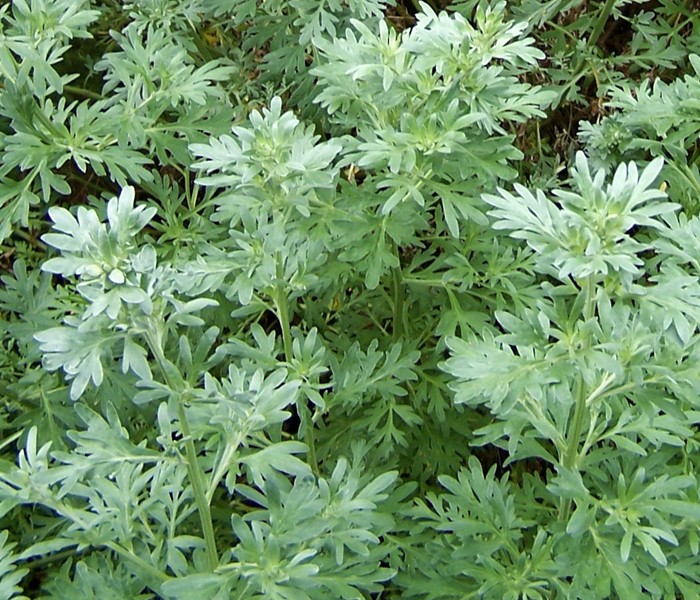
  • Wormwood is crucial in proper vitamin absorption. It allows the membranes to transfer crucial nutrients and vitamins easily. Having this extra helping hand means your body is naturally going to absorb more of the vitamins and minerals that you ingest. Many folks use wormwood to get the most of their multivitamin supplement.

  • Cumin has a non-direct way of helping the body absorb vitamins. It eases the walls of the stomach, making it work more efficiently. The stomach is responsible for absorbing nutrients and vitamins, so if it works better absorption will improve. Cumin has also been proven to be a great source of iron and magnesium.


  • Cayenne pepper is perhaps one of the best herbs you can get to boost your vitamin absorption in your body. When you consume small amounts of cayenne pepper your gastric wall expands, causing the stomach to take in nutrients and vitamins easier than it normally would. Cayenne is also a great source of vitamin C and should be in your diet at least a couple times a week for good health.

  • Alfalfa is another important herb that you should try to get into your diet to help your body take in all of the vitamins and nutrients that you consume in a day. This herb is practically overflowing with key nutrients that your body needs. When alfalfa is consumed in sprout form it can have a huge impact on the body in a short amount of time.


Common Problems and How Herbs Help

There are a slew of reasons why vitamins can help people absorb vitamins who would otherwise have a problem. The main reason people use herbs to supplement their body’s lack of absorption is simple; sometimes food just moves quickly through the body. If food is digested quickly then there is no time for the vitamins to be absorbed into the bloodstream and distributed throughout the body.

Another common problem people have is a poor diet. If you are not eating properly no amount of multivitamins in the world is going to help you absorb better. You should always make sure you are eating a diet that is rich in key vitamins and minerals to ensure you get your daily recommended amount of nutrients. It is also important that you exercise regularly to make sure your body maintains consistent levels of calcium and insulin, among other things.

The body is very complex, particularly when it comes to the digestive system and how nutrients are handled from within. While we might not know everything there is to know about vitamins, one thing is for sure, herbs can play a key role in helping your body make the best of what you eat. The next time you go shopping don’t forget to pick up some fresh herbs to get your body and mind on a  healthier path.

Source:http://theheartysoul.com/

Signs You’re Lacking in Vitamin D and How to Get More (Without Baking in the Sun)

Signs You’re Lacking in Vitamin D and How to Get More (Without Baking in the Sun)

Signs You’re Lacking in Vitamin D and How to Get More (Without Baking in the Sun)

Even though it is readily available and crucial for our body to fight disease, almost half of the American population is deficient in vitamin D.

This deficiency is also known as the hidden cause of numerous chronic preventable diseases, such as heart disease, diabetes, depression, muscle pain, osteoporosis, many cancers, fibromyalgia, osteoporosis, osteopenia (bone loss) and even autoimmune diseases.


Dr.Mercola claims:

“A growing body of evidence shows that vitamin D plays a crucial role in disease prevention and maintaining optimal health. There are about 30,000 genes in your body, and vitamin D affects nearly 3,000 of them, as well as vitamin D receptors located throughout your body.”


Namely, vitamin D acts as a hormone and gene modulator, limiting cancerous cell growth and boosting cell differentiation. Therefore, it effectively inhibits cancer growth, especially breast, colon, prostate, and ovarian cancer.

Also, it prevents infections, common colds, and the flu, and scientists have found that people who are lower in it are more prone to weight gain.

The primary source of vitamin D for our body is the exposure to sunlight. Exposure to sunlight that makes our skin slightly red triggers the production of 10,000 to 25,000 international units (IU) of Vitamin D in our bodies.

Autoimmune diseases like lupus, type 1 diabetes, multiple sclerosis, inflammatory bowel disease, and rheumatoid arthritis are very rare in people from certain parts of the world who have blood levels of vitamin D between 42 and 65 ng/mL (105 and 163 nmol/L).


According to the online British newspaper Health Spectator:

“When the sun goes into hiding, it’s difficult to achieve that through food alone. Why do we need vitamin D? Well, it regulates the calcium and phosphate in the body, making it vital for bone, muscle and tooth development and growth.

A lack of it can lead to a higher risk of bone disease and fracture and, in the worst cases, rickets. There are also studies that suggest vitamin D can help the battle against cancers, cardiovascular disease and multiple sclerosis.”


These are the most common signs of vitamin D deficiency:

  • Muscle pain
  • Frequent infections
  • Hair loss
  • Chronic fatigue
  • Low mood
  • Back pain and/or joint pain
  • Slow wound healing
  • Loss of bone density


In order to correct this deficiency, you should follow these tips:

 Test your 25-OH Vitamin D levels, and note that while normal ranges are between 10-55 ng/ml, but optimal ranges for optimal health are between 40-65 ng/ml.

 Take vitamin D3 supplements, since it is the active form of this vitamin

 Supplement with 2000 – 5000 IU of Vitamin D3 daily for 3 months to optimize your vitamin D levels, and afterward, continue with a dose of 1000 – 2000 IU daily

 Increase the intake of foods rich in vitamin D, such as whole eggs, wild salmon, fish liver oils, porcini mushrooms, and mackerel

Since the role of this vitamin is crucial for our health, make sure you do your best to optimize its levels and improve your overall health!

Everything You Need to Know About Vitamin B12

Everything You Need to Know About Vitamin B12

Everything You Need to Know About Vitamin B12

Vitamin B12, also known as cobalamin, is an essential nutrient crucial for various bodily functions. It plays a vital role in nerve function, DNA synthesis, red blood cell formation, and the metabolism of fats and carbohydrates. Despite its significance, the body cannot produce vitamin B12 on its own, making it necessary to obtain it through diet or supplements. Here's everything you need to know about this essential vitamin:


What is Vitamin B12?

Vitamin B12 is a water-soluble vitamin that belongs to the B-complex family. It exists in several forms, including methylcobalamin and cyanocobalamin, with the latter being the most common supplemental form. Unlike many other vitamins, the absorption of vitamin B12 requires adequate stomach acid and a protein called intrinsic factor, which is produced in the stomach.


Sources of Vitamin B12:

  1. Animal Products: Foods of animal origin are the richest sources of vitamin B12. These include meat (such as beef, pork, and poultry), fish, shellfish, eggs, and dairy products (like milk, cheese, and yogurt).

  2. Fortified Foods: Certain plant-based foods, such as fortified breakfast cereals, plant-based milk alternatives (like soy, almond, or rice milk), and nutritional yeast, are often fortified with vitamin B12.

  3. Supplements: Vitamin B12 supplements are available in various forms, including capsules, tablets, and sublingual (under the tongue) forms. They are commonly recommended for individuals with deficiencies or those following strict vegetarian or vegan diets.


Functions of Vitamin B12:

  1. Red Blood Cell Formation: Vitamin B12 is essential for the production of red blood cells in the bone marrow. A deficiency in B12 can lead to megaloblastic anemia, where red blood cells are larger than normal and unable to function properly.

  2. Nerve Function: B12 plays a crucial role in maintaining the health of the nervous system. It is involved in the production of myelin, a fatty substance that insulates and protects nerves, facilitating proper nerve signaling.

  3. DNA Synthesis: Vitamin B12 is necessary for the synthesis of DNA, the genetic material found in all cells. It works in conjunction with folate (vitamin B9) to ensure proper cell division and replication.

  4. Energy Production: B12 aids in the metabolism of fats and carbohydrates, converting them into usable energy for the body. This process is essential for overall energy production and vitality.


Symptoms of Vitamin B12 Deficiency:

  1. Fatigue and Weakness: Low levels of vitamin B12 can lead to fatigue and weakness, as the body struggles to produce enough healthy red blood cells to carry oxygen to tissues.

  2. Neurological Symptoms: Deficiency may cause neurological problems such as numbness, tingling sensations, difficulty walking, memory loss, and cognitive decline.

  3. Mood Changes: B12 deficiency has been linked to mood disorders such as depression and irritability.

  4. Digestive Issues: Some individuals may experience digestive symptoms like diarrhea or constipation.

  5. Pale or Jaundiced Skin: In severe cases, a deficiency can result in pale or jaundiced (yellowish) skin due to decreased red blood cell production.


Who is at Risk of Deficiency?

Certain groups are more susceptible to vitamin B12 deficiency:

  • Vegetarians and Vegans: Since vitamin B12 is primarily found in animal products, those following strict vegetarian or vegan diets may not consume enough B12 unless they supplement or consume fortified foods regularly.

  • Older Adults: As people age, their ability to absorb vitamin B12 from food decreases. Additionally, some older adults may have atrophic gastritis, a condition that reduces stomach acid and intrinsic factor production, further hindering B12 absorption.

  • Individuals with Certain Medical Conditions: Conditions affecting the digestive system, such as celiac disease, Crohn's disease, or pernicious anemia, can interfere with B12 absorption.


Treatment and Prevention:

Treatment for vitamin B12 deficiency typically involves supplementation, either through oral or intramuscular injections, depending on the severity of the deficiency. In cases of pernicious anemia (an autoimmune condition that affects intrinsic factor production), lifelong B12 injections may be necessary.

Prevention strategies include consuming a balanced diet rich in vitamin B12 sources, such as meat, fish, eggs, and dairy products. For those following vegetarian or vegan diets, incorporating fortified foods or taking B12 supplements is essential. Regular monitoring of B12 levels, especially for high-risk groups, can help detect deficiency early and prevent long-term complications.


Conclusion:

Vitamin B12 is a vital nutrient with diverse functions in the body, including nerve function, red blood cell formation, DNA synthesis, and energy production. Obtaining an adequate intake of B12 through diet or supplements is crucial for maintaining overall health and preventing deficiency-related complications. Understanding the sources, functions, symptoms, and risk factors associated with vitamin B12 deficiency can help individuals make informed decisions about their dietary choices and supplementation needs, ensuring optimal health and well-being.

Lack of Vitamin C May Cause Serious Health Issues. Here are 9 Early Warnings Your Body Is Low in Vitamin C

Lack of Vitamin C May Cause Serious Health Issues. Here are 9 Early Warnings Your Body Is Low in Vitamin C

Lack of Vitamin C May Cause Serious Health Issues. Here are 9 Early Warnings Your Body Is Low in Vitamin C

Vitamin C (ascorbic acid) is important for your immune system, and your body needs enough of it to prevent numerous health conditions. Stats show that many Americans don’t get enough vitamin C. the lack of this vitamin may cause serious health issues, and we give you some of the early signs of vitamin C deficiency.


9 early signs of vitamin C deficiency

According to Andrew W. Saul, vitamin C is the best natural antibiotic, antiviral, antitoxin and antihistamine you will ever use.


Swollen and bleeding gums

Vitamin C is important for your oral health. It protects and strengthens the epithelium tissue. This tissue is actually a barrier that protects against bacteria. The lack of vitamin C results in swollen and inflamed gums that recede easily.

Low vitamin C levels is one of the reasons people develop periodontitis, as confirmed by the American Society for Microbiology. Periodontitis causes gum infection, damage and tooth loss.


Dry hair and split ends

Vitamin C strengthens your hair and its roots. The loss of vitamin C results in dry hair and split ends. It promotes hair growth, and increases the absorption of iron. Any deficiency may lad to slow hair growth and hair loss.


Nosebleeds

Take enough vitamin C to strengthen your capillaries. Your nose is packed with a lot of tiny blood vessels, and any deficiency may give you a nosebleed. Nosebleeds are also known as epistaxis which is a common symptom of scurvy.


Dry, rough and red skin

If your skin is dry, red and rough, you may lack vitamin C. You need enough of this vitamin to keep your skin healthy and glowing. Vitamin C deficiency may lead to keratosis pilaris. It’s more common in young individuals, but may occur at every age. This condition is manifested through rough patches or tiny bumps on the thighs, buttocks, upper arms and cheeks.

Keratosis pilaris may cause mild itching. It doesn’t cause any pain, but the rough patches cause discomfort. Sufferers usually use moisturizers and lotions rich in vitamins.


Bruising

The lack of vitamin C weakens capillaries, and even the slightest bump may give you a bruise. If you get bruises all the time, you should consider boosting your vitamin C intake.

Experts at the University of Michigan Health Systems say that bruising may be a sign of underlying health issues. In addition to eating foods packed with vitamin C, you should also take 400mg of vitamin C supplements and 40mg of flavonoids.


Slow healing of wounds

Take enough vitamin C to accelerate the healing of your wounds or surgery scars. This vitamin strengthens connective tissues and repairs tissues. It can also prevent an infection.


Swollen and aching joints

Pain and swelling in joints are a sign of rheumatoid arthritis. The Arthritis Foundation suggests that individuals who lack vitamin C have three times higher risk of developing rheumatoid arthritis.


Cold and flu

Vitamin C boosts the production of white blood cells, and it’s important for the prevention of virus and bacteria. It’s a powerful antioxidant that prevents infections. If you lack vitamin C, you will be more prone to common colds, flu or strep throat infection.


Bad mood

Believe it or not, vitamin C is linked to your mood. Patients and students with anxiety had better mood after being given vitamin C supplement.

When it comes to other signs and symptoms, sufferers notice spoon-shaped fingernails with red spots and lines. Your bones will get weak, and you will have a higher risk of osteoporosis and fracture.

Vitamin C builds strong bones, and any deficiency may lead to bone loss. Have you gained a lot of weight? Vitamin C regulates the release of fat from fat cells, reduces stress hormones and decreases inflammation. The lack of this vitamin will give you the opposite, and you will end up dealing with obesity.


Final words

Enrich your menu with foods packed with vitamin C, such as broccoli, capsicum, kale, spinach, berries and citruses.

Eat your fruits fresh, and keep in mind that heat reduces the nutritional value of your fruits and veggies. Add vegetables to your soup after it boils.

9 Early Signs Your Body Is Low in Vitamin C

9 Early Signs Your Body Is Low in Vitamin C


9 Early Signs Your Body Is Low in Vitamin C

Vitamin C (ascorbic acid) is an essential vitamin that strengthens the immune system and prevents sickness and serious health problems.


Seminars in Preventive and Alternative Medicine published a study that reviewed more than 100 studies over 10 years and compiled a growing list of benefits of vitamin C. The study researcher Mark Moyad, MD, MPH, of the University of Michigan, said:


“Vitamin C has received a great deal of attention, and with good reason. Higher blood levels of vitamin C may be the ideal nutrition marker for overall health. The more we study vitamin C, the better our understanding of how diverse it is in protecting our health, from cardiovascular, cancer, stroke, eye health [and] immunity to living longer.”


According to Andrew W. Saul:

“Vitamin C is the world’s best natural antibiotic, antiviral, antitoxin and antihistamine…”

Therefore, its deficiency in the body can poses serious health risks. These are the early signs that indicate that your body is low in this vitamin:


1. Susceptibility to colds and flu

Vitamin C supports the production of white blood cells that destroy virus and bacteria and acts as a powerful antioxidant that prevents infections. Its reduced levels might make you prone to the flu virus, common colds, or strep throat infection.


2. Bruising

The lack of vitamin C in the body weakens capillaries, so a proneness to bruising can be another early sign of this issue.


3. Nosebleeding

Regular vitamin C intake strengthens the capillaries, but the inadequate levels of this nutrient might cause nosebleeds since the nose is lined with several of such small blood vessels closer to the skin’s surface.


4. Painful, swollen joints

Low vitamin C levels raise the risk of rheumatoid arthritis, which causes swellings and intense pain in the joints.


5. Dry, rough, red skin

As vitamin C is needed to synthesize with the skin’s collagen, its lack causes the development of skin issues, as well as a skin condition called keratosis pilaris,  characterized by rough patches or tiny bumps on the thighs, buttocks, upper arms, and cheeks.


6. Slow healing of wounds

Vitamin C  helps the connective tissues to bind with the wound and is crucial in the repair of tissues, so if your wounds take much time to heal, your body might have low levels of it.


7. Fatigue and anxiety

If you feel constantly tired and anxious, it might be a result of the low vitamin C levels in the body, as studies have shown that vitamin C deficiency has psychological links as well.


8.Swollen and bleeding gums 

Vitamin C is needed for the health of the teeth and gums as it strengthens the epithelium tissue, that acts as a barrier against bacteria that lead to dental diseases. Therefore, its low levels lead to inflammation, bleeding, and swellings of the gum, as well as periodontitis, and gum infections.


9. Dry hair and split ends

The body directs vitamin C to the most important tissues and organs first, so low vitamin C levels lead to dry hair and split ends, and even hair loss and slow hair growth.

The best way to optimize the levels of vitamin C is to consume foods rich in it. The foods richest in vitamin C are citrus fruits, white potatoes, green peppers, strawberries, tomatoes, broccoli, and sweet potatoes, as well as cabbage, red peppers, raspberries, dark leafy greens, cantaloupe, papaya, mango, cauliflower, blueberries, winter squash, watermelon, brussels sprouts, and pineapples.

The American Dietetic Association spokeswoman Dee Sandquist, RD, advises:

“Strive to eat nine servings of fruits and vegetables daily, because you will get a healthy dose of vitamin C along with an abundance of other vitamins, minerals, and phytochemicals that are good for disease prevention and overall health.”

Top 13 Vitamin D Deficiency Symptoms You Need To Know

Top 13 Vitamin D Deficiency Symptoms You Need To Know

Top 13 Vitamin D Deficiency Symptoms You Need To Know


Vitamin D, often referred to as the "sunshine vitamin," plays a crucial role in maintaining optimal health. While our bodies can produce vitamin D when exposed to sunlight, many people worldwide suffer from a deficiency. Recognizing the symptoms of vitamin D deficiency is essential for preventing complications and maintaining overall well-being. 


Vitamin D Deficiency Symptoms

Vitamin D’s main role is to help the intestines absorb calcium, but it does a lot more. It ensures healthy cellular function, protects brain cells, supports the immune function, enhances detoxification, aids metabolic processes, and promotes heart health.


So what causes low levels of vitamin D?

If you don’t spend enough time in the sun, eat a plant-only diet, have darker skin, have parathyroid disease, suffer from conditions that cause malabsorption including celiac disease and cystic fibrosis, or have liver and kidney disease, you could be deficient in Vitamin D.

In addition, exposure to endocrine-disrupting chemicals (EDCs) in water bottles, plastics, cosmetics, pesticides, polluted air and water, is associated with lower vitamin D levels.

This nutrient deficiency has been linked to respiratory illness, osteoporosis, depression, dementia, diabetes, heart disease, prostate and breast cancer and ED.


Now, let’s get into the symptoms of vitamin D deficiency to watch out for.

Number 13. Tired All The Time. Low levels of vitamin D can make you feel tired and fatigued, even if you get a good night’s rest. Vitamin D keeps your body energized, promotes healing, and is essential for a healthy immune system. Numerous research studies have shown a link between vitamin D deficiency and chronic fatigue. Supplementation with vitamin D3 helped to improve energy levels. To see our recommended high-absorption, plant-based vitamin D3 plus K2 supplement, see the link below.

Number 12. Prone To Infections. Vitamin D is critical for immune function. A deficiency in vitamin D can lead to an increased risk of developing colds, the flu, and other bacterial infections. Low levels also increase the likelihood of catching frequent infections.

Number 11. Muscle Pain. Muscle aches and weakness can be caused by a deficiency in vitamin D. A study that looked at people suffering from chronic pain in the muscles found that 71% of them were deficient in this nutrient. Numerous other studies have shown that vitamin D3 supplements can reduce chronic pain for those who suffer from this deficiency.

Number 10. Joint Pain and Bone Loss. Calcium, along with phosphorus and magnesium, are essential for the building and maintenance of strong bones, and vitamin D is needed in this process. Research shows that insufficient vitamin D can lead to pain in the spine, legs, joints, and ribs. Women, in particular, are susceptible to osteoporosis, in which the bones become brittle and fragile from loss of tissue, due to low vitamin D leading to low calcium stores. When vitamin D levels are too low, calcium absorption in the intestines is reduced, causing calcium levels in the blood to decrease. As a result, the parathyroid glands become more active, producing more parathyroid hormone (PTH), which causes calcium to leave the bones and weaken them.

Number 9. Being Overweight or Obese. Low levels of vitamin D are associated with people who are overweight or obese. Vitamin D is absorbed by fat cells rather than used by your body to do its job. Studies have found that losing excess weight increases vitamin D levels, presumably by releasing vitamin D in fat tissues into the blood.

Number 8. Increased Insulin Resistance. Vitamin D is essential for insulin production and can be used to increase the body’s insulin sensitivity. Recent research has shown a correlation between higher vitamin D intake and insulin sensitivity. A lack of vitamin D may cause diabetes symptoms to worsen.

Number 7. Feeling Depressed. Doctors discovered that depression is often linked to low levels of vitamin D, especially among older adults. A study found that 65 percent of people with depression also had low levels of vitamin D.

Number 6. Impaired Memory. A lack of vitamin D could be causing you to forget things all the time. Low levels of vitamin D are a risk factor in cognitive decline and dementia, particularly among older adults. People with dementia have significantly lower levels of vitamin D.

Number 5. Slow Wound Healing. If you’re struggling with a wound that won’t heal, or are experiencing pain after surgery and aren’t sure why – then maybe the issue lies in vitamin D levels! This nutrient is crucial for rebuilding new skin, so having too little can result in wounds healing slower than they should.

Number 4. Gastrointestinal Issues. Vitamin D is absorbed via the gastrointestinal tract. Low levels of vitamin D can lead to inflammatory bowel disease (IBD), which in turn increases the risk of developing colon cancer. Clostridium difficile infection is more common in people with IBD, which includes Crohn’s disease and ulcerative colitis. Vitamin D supplementation can help reduce this risk, according to studies, as it helps in reducing inflammation throughout your body.

Number 3. Thinning Hair. One possible reason for hair thinning is a deficiency in vitamin D. People with alopecia areata, an autoimmune disease that can cause hair loss, seem to be at increased risk of vitamin D deficiency. Vitamin D stimulates the hair follicles to grow, which maintains thickness, and prevents your hair from falling out too soon!

Number 2. Poor Cardiovascular Health. Although it isn’t clear why, low levels of vitamin D are linked to cardiovascular disease. Seniors and people with darker skin are more at risk for vitamin D deficiency and increased cardiovascular disease risk.

Number 1. Erectile Dysfunction. Low levels of vitamin D is linked to cardiovascular disease, peripheral arterial disease, and erectile dysfunction. Increased inflammation affects blood circulation, which contributes to erection difficulties. Vitamin D’s ability to reduce inflammation in the body is helpful for mitigating these problems.


Next, what are the best sources of Vitamin D?

Sun exposure is the best source of vitamin D. When your body is exposed to sunlight (specifically ultraviolet B rays), the cholesterol in your skin cells start to produce vitamin D3. But your body can’t use this form of vitamin until it is further processed by your liver and kidneys.

There are two main forms of Vitamin D, D2 (ergocalciferol) and D3(cholecalciferol), which we get from food and supplements. Researchers have found vitamin D3 appears to more effectively raise your levels of active vitamin D than vitamin D2.

Foods that are rich in Vitamin D3 are animal sources, and include cod liver oil, salmon, trout, herring, sardines, milk, beef liver, egg yolks, cheese and canned tuna. The only plant source of vitamin D, is mushrooms exposed to sun UV rays, such as Oyster, Shiitake and Reishi mushrooms. Research from 2013 has shown that sunlight-exposed mushrooms produce vitamin D2, D3 and D4. Fortified foods like soy, almond, and rice milk, orange juice and cereals may contain vitamin D, but the quantities are typically small, and is in a less bioavailable form.