
For a long time, I believed that amazing sunset beach photos depended on expensive cameras or catching that one flawless, Instagram-perfect moment. But one evening in Bali completely changed my perspective.
I was standing barefoot on the sand, camera set up, watching the sky slowly shift from warm orange tones to soft shades of pink. Everything about the scene felt magical. Yet when I reviewed the photos later, they didn’t tell the same story.
My poses felt unnatural. My posture was tense, my smile looked forced, and the images failed to capture the calm and beauty I experienced in that moment.
That experience taught me an important lesson: great sunset beach photos aren’t about posing like a professional model. They’re about movement, comfort, and allowing the natural light to enhance the mood.
Once I stopped chasing perfection and started focusing on being present and relaxed, my photos finally began to reflect how the moment truly felt.
This guide is for anyone who feels stiff in front of the camera or wonders why their beach photos never look as beautiful as the real sunset.
You’ll discover how to pose naturally, work with your surroundings, and bring out your genuine personality in every shot. These tips aren’t rigid influencer formulas—they come from real experiences, experimentation, and countless unforgettable sunsets by the sea.
Understand the Light Before You Pose
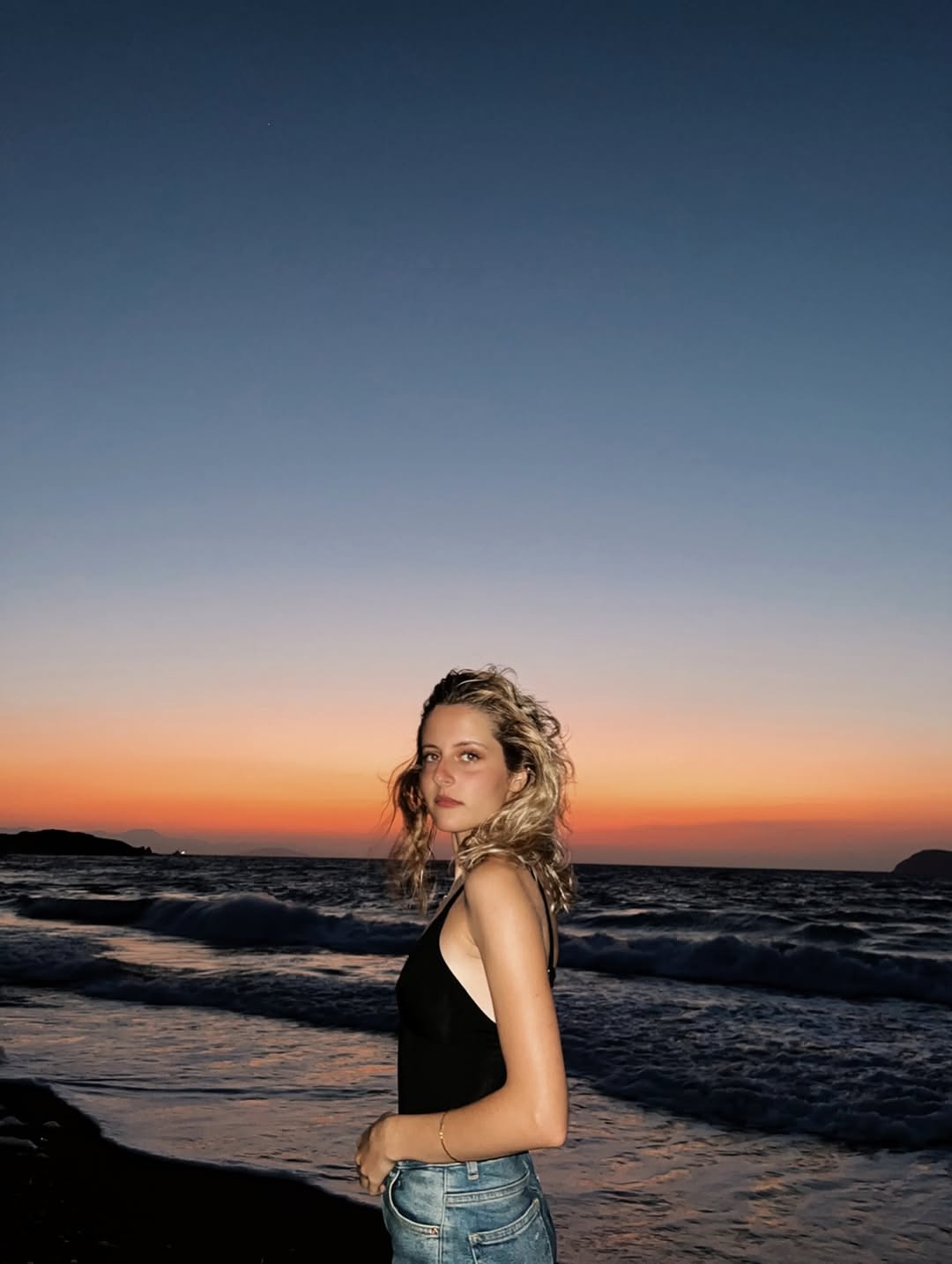
Every beach photo lives or dies by its light. The warm glow right before sunset—known as golden hour—is your secret weapon.
It softens shadows, warms your skin tone, and gives every shot a dreamy feel.
According to The Golden Hour Adventurer, those last 30 minutes before sunset create “a soft glow that wraps around your subject,” making colors richer and shadows gentle. It’s nature’s own filter, and it’s always free.
Here’s what I learned after hundreds of beach sunsets: face slightly toward the sun, not directly into it. You’ll catch that soft glow without squinting. If you want a striking silhouette, turn sideways and let the light outline your shape.
Wildesparrow, a Hawaii-based photographer, says it best—sunlight should “fall gently” on you, not flood your face.
Once I realized how light shapes mood, not just exposure, my photos changed. The light didn’t just flatter my skin—it helped me relax. And that calm confidence is what turns a snapshot into something beautiful.
Let Confidence Lead the Shot
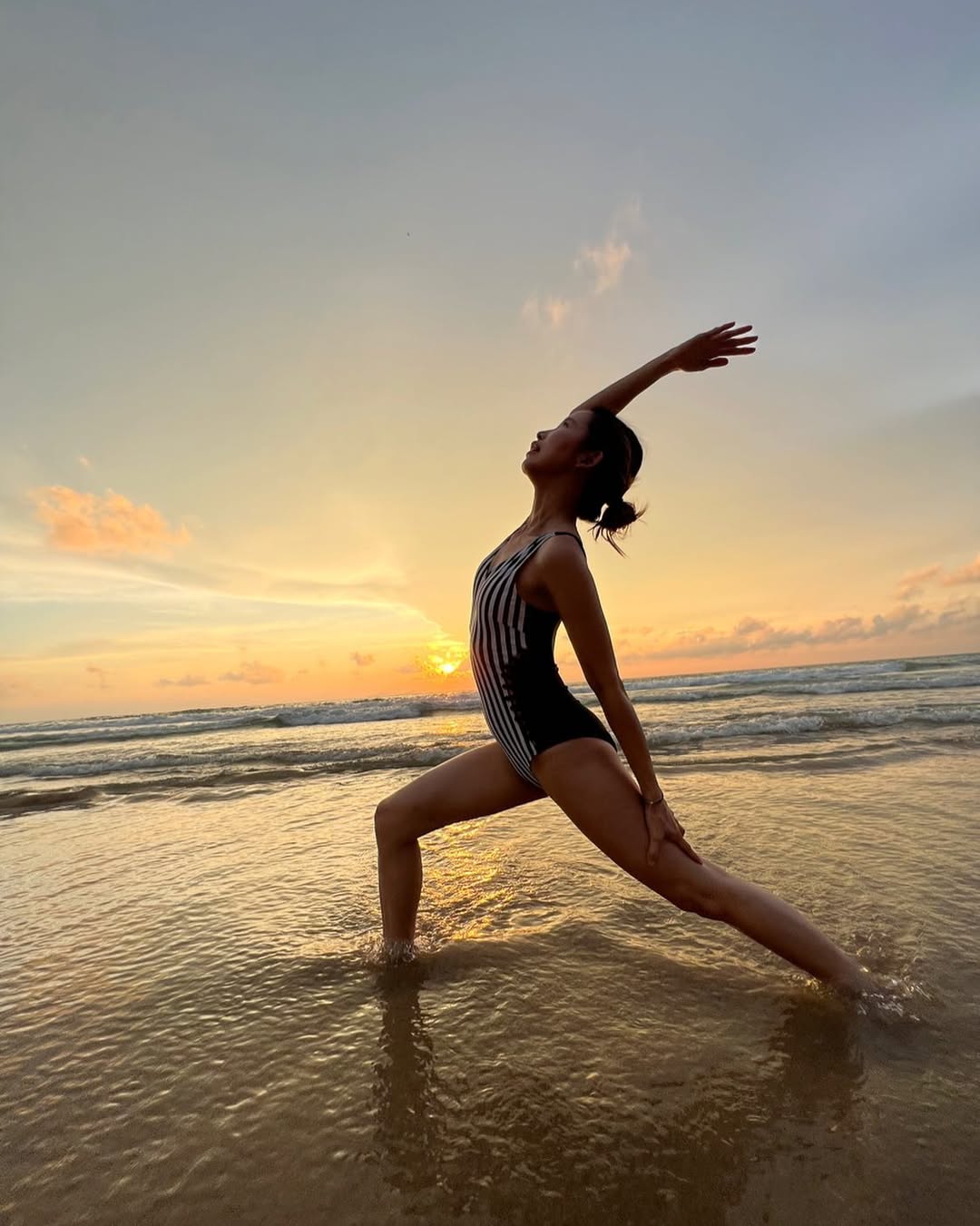
No pose works if you’re stiff or second-guessing yourself. Confidence doesn’t mean loving every angle—it means letting go of perfection long enough to look natural.
Rebecca from Roam Free Rebecca reminds travelers that posing is a skill you can learn, not a talent you’re born with. She suggests moving between poses instead of freezing, since the best photos often happen mid-motion. I couldn’t agree more. When I’m shooting solo, I take a few steps, laugh, or pretend to fix my hair just to keep things loose.
PetaPixel adds that subtle movements—like shifting your weight or rolling your shoulders—instantly make your stance feel relaxed. It’s such a small thing, but the difference shows in every frame.
If nerves kick in, take a breath before each click. Let yourself enjoy the sunset instead of performing for the camera. Confidence doesn’t come from posing—it shows up the moment you stop trying too hard.
Go for Natural, Movable Poses
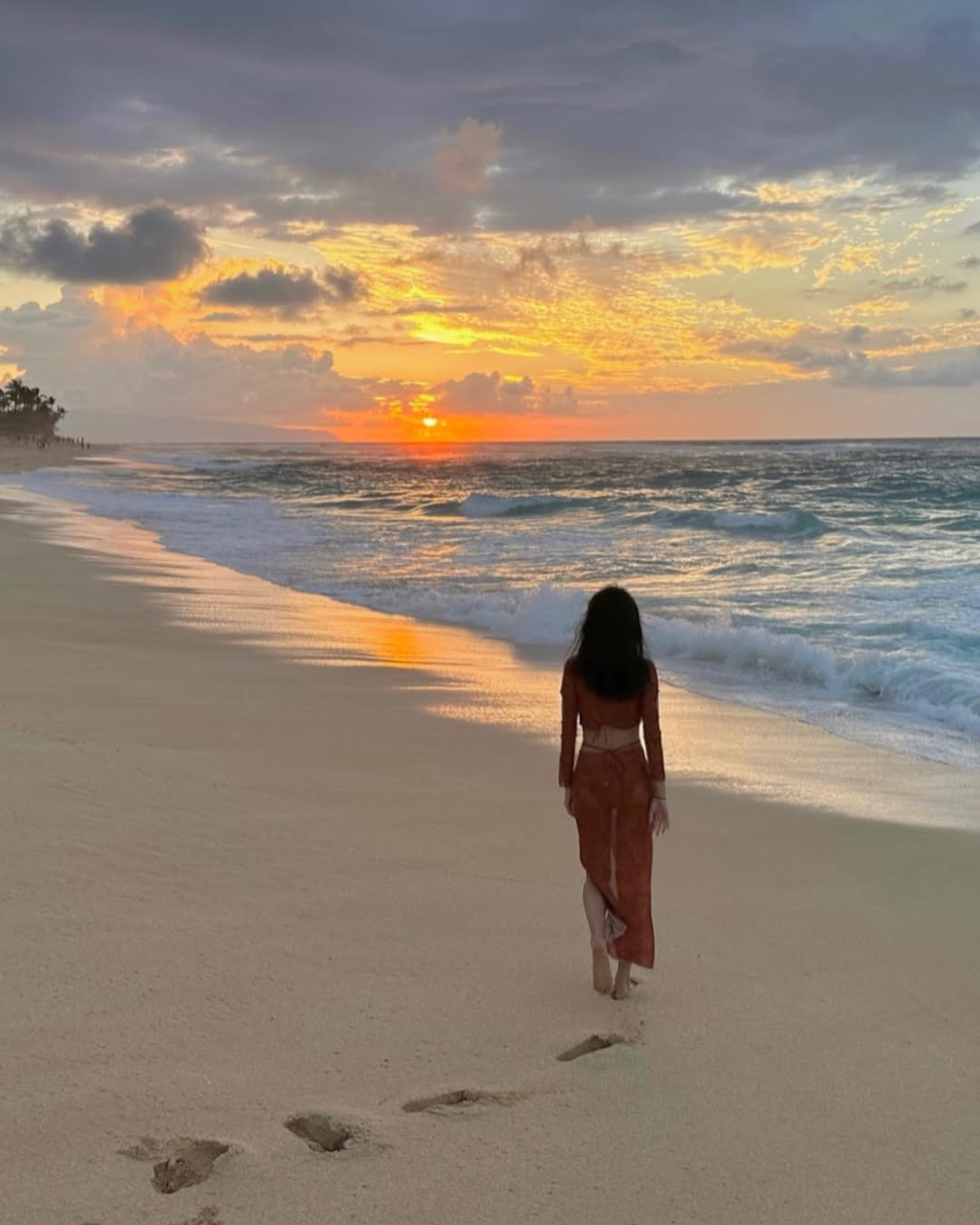
The best sunset photos aren’t still—they flow. Forget stiff smiles and “stand there” moments. Let motion carry you. Try walking along the shoreline, brushing your hand through the water, or glancing back over your shoulder. Those micro-movements add life to your photos.
In PetaPixel’s guide for non-models, photographers explain that energy—like walking, turning, or flipping your hair—brings warmth to a shot. I’ve found the same thing. When I focus on how the moment feels instead of how I look, everything falls into place. My posture softens, my eyes look more alive, and the photo finally feels real.
If you’re using a tripod, turn on a 10-second timer and move a little with each shot. Walk toward the camera, then away, then pause mid-laugh. Those imperfect frames often end up being the best ones.
If you still feel awkward, start small. Even adjusting your sleeve or tucking your hair can shift the energy of a photo from stiff to natural.
Once you loosen up, the next step is letting the beach itself add its magic.
Use the Beach Around You
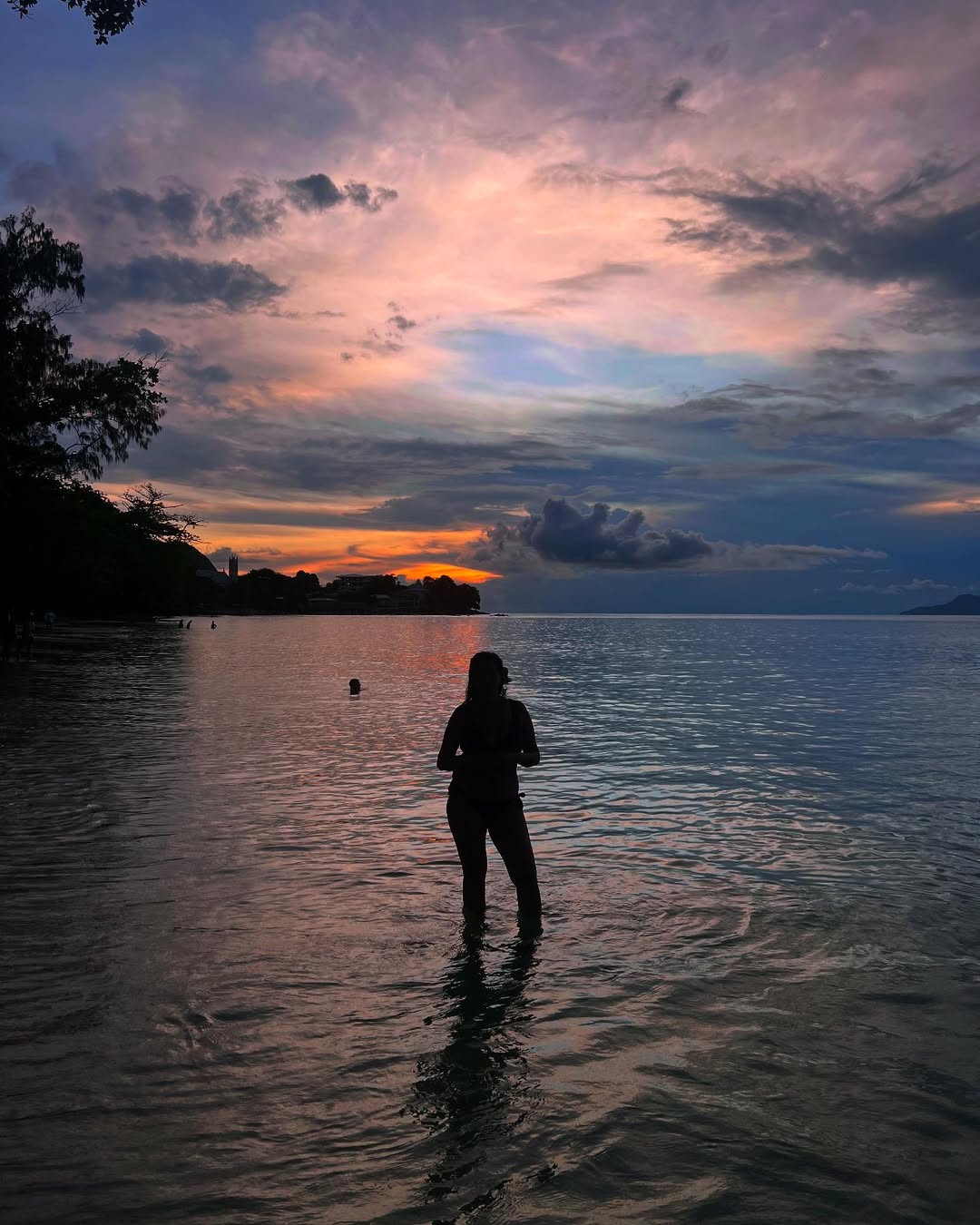
The beach is more than a backdrop—it’s a co-star. The waves, the sand, and even a gust of wind can help tell your story. Props help too, but not in the staged way most people think. They give your hands something to do, and that alone makes your body relax.
Use a prop that breaks the tension and helps poses feel genuine.
When I take photos, I’ll grab whatever’s nearby—a hat, a seashell, or even my towel—to keep my hands busy and my expression soft.
Travel blogger Krista Horton suggests finding a visual anchor, like a rock or a line in the sand, to guide your eye and ground the scene.
Don’t fight the environment—flow with it. Sit where the waves touch your toes. Let your hair move in the wind. Play with footprints or reflections. When you start interacting with the scene instead of posing against it, something shifts. The photo stops being staged and starts feeling like part of your story.
Once you’ve let the beach join in, you’ll notice the camera sees you differently. That’s when framing and angles start to matter.
Master Framing and Angles
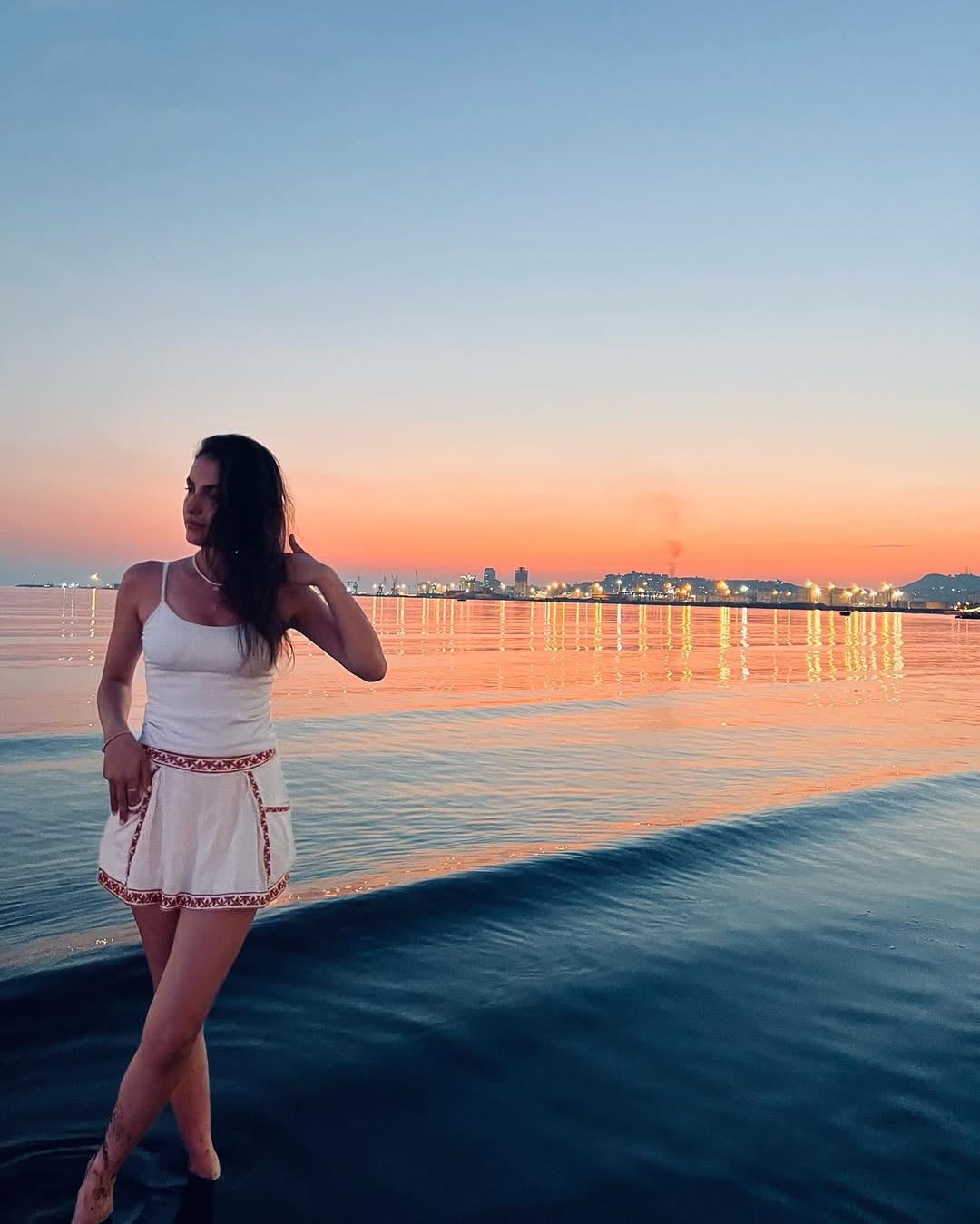
Once you’re comfortable in front of the camera, the next layer is composition. This is where technique meets instinct. You don’t need fancy gear to create balance—just a bit of awareness about how your position changes the story.
Try standing slightly off-center instead of in the middle. Let the shoreline or reflection guide the viewer’s eye through the frame.
Don’t Just Fly’s Ultimate Guide to Beach Photography says the “rule of thirds” helps you draw attention naturally while keeping your photo balanced. Even a small tilt of the camera can add depth or a sense of motion.
When I travel solo, I often set up a small tripod and use my phone’s gridlines. I take a few test shots until the horizon feels level and the light hits evenly. It’s not about perfection—it’s about rhythm.
Angles matter more than people realize. Try shooting slightly from below to make the sky dominate the frame, or back up to include the entire sunset glow.
Once you’ve got your framing down, all that’s left is emotion—and that’s where everything comes together.
Focus on Emotion, Not Perfection
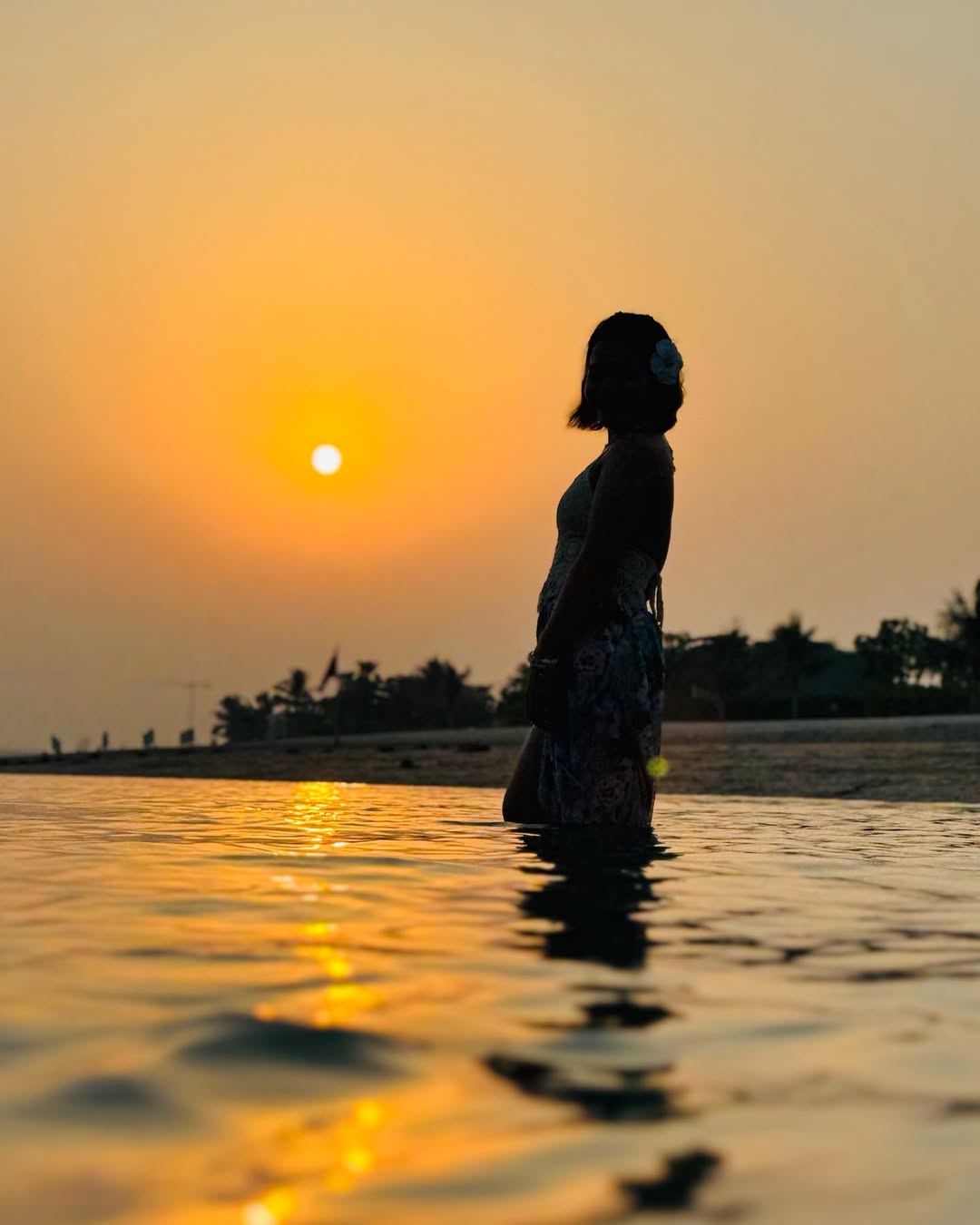
What makes a sunset photo unforgettable isn’t symmetry or sharpness—it’s emotion. Nobody remembers the perfect angle; they remember how the picture made them feel.
Digital Photography School reminds photographers that when you’re truly enjoying the moment, that energy “oozes out of your photos.” You can see it in a relaxed jawline, a genuine smile, or a faraway look toward the horizon. That authenticity can’t be faked.
When I shoot alone, I often pause for a few seconds between shots. I listen to the waves, breathe in the salt air, and let my expression soften naturally.
Photography Life explains that when light, composition, and emotion work together, “every element pushes the mood in one direction.” That’s when photos move beyond pretty—they become memories.
Perfection fades fast. What stays is the feeling you had in that moment—the warmth on your skin, the sound of water, the freedom of being there. So don’t chase flawless poses. Chase connection. Because that’s what turns an ordinary photo into a piece of your story.
Frequently Asked Questions About Posing for Sunset Beach Photos
- What time should I take photos for the best sunset light?
Aim for about 30 minutes before the sun dips below the horizon. This is when the light softens, the colors warm up, and your skin glows naturally. Many photographers call this “golden hour” because everything looks calm and cinematic.
- How can I look more natural in front of the camera?
Move instead of freezing. Walk, laugh, adjust your hair—anything that keeps your body from locking up. Movement brings emotion into your photos and makes your posture feel relaxed instead of forced.
- What should I wear for sunset beach photos?
Stick with colors that blend gently with the sunset tones—neutrals, pastels, or soft blues. Avoid bold prints that compete with the background. Flowing fabrics look great in motion, especially when the breeze picks up.
- Do I need a professional camera for great results?
Not at all. A smartphone can capture stunning results when you understand light and framing. The trick is learning where to stand and when to shoot, not just what you shoot with.
- What are some easy poses for solo travelers?
Try looking back toward the horizon, sitting with your knees drawn up, or walking along the water’s edge. These small actions keep you connected to the moment and help you look natural. If you’re using a tripod, take a few steps between shots for a candid feel.
- How do I stop overthinking my photos?
Remember why you’re taking them—to hold onto a feeling, not perfection. Breathe, look around, and focus on what makes that moment beautiful. The more you enjoy it, the better your photos will look.
Final Thoughts: Capture the Feeling, Not Just the Pose
The best poses for sunset beach photos aren’t about copying what you see online—they’re about showing how it feels to be there. Once you stop chasing perfect angles and start trusting the light, your photos will begin to mirror your emotions.
Whether you’re traveling solo or with friends, the sunset gives you a reason to slow down and see yourself in a softer light. Each photo becomes a reminder of where you were, what you felt, and how free that moment was.
